One of the most common questions property owners have when installing a new fence is, “How long does chain link fence last?”
When it comes to choosing a fence for your property, durability is a key factor. Chain link fences are a popular choice due to their balance of affordability, durability, and low maintenance.
Understanding the lifespan of a chain link fence and how to maximize it is essential for homeowners and property managers. This article explores the various aspects that influence the longevity of a chain link fence.
It includes the materials used, the impact of climate, installation methods, and maintenance practices. We will also provide practical tips on enhancing the durability of your fence.
Factors Affecting Durability
Material Quality
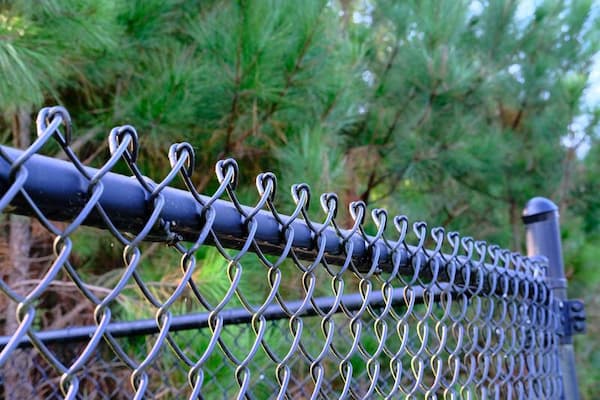
The lifespan of a chain link fence largely depends on the quality of the materials used. High-quality metals, such as steel, are ideal for longevity. These materials resist damage from wear and tear better than lower-quality options.
The thickness of the metal also plays a role. Thicker metals last longer as they are more durable against physical impacts and weather conditions.
Climate Impact
Climate significantly influences how long a chain link fence will last. In areas with harsh weather conditions, like heavy rain, snow, or extreme heat, fences can degrade faster.
Moisture can lead to rust in metal fences, while fluctuating temperatures can cause the material to expand and contract. It weakens its structure over time. In contrast, fences in mild climates tend to have a longer lifespan due to less environmental stress.
Installation Method
The method of installation is essential for ensuring the longevity of a chain link fence. Professionally installed fences are likely to last longer as they are correctly anchored and balanced.
This proper installation prevents issues like leaning or sagging. Additionally, ensuring that the fence is installed with appropriate spacing and depth in the ground can protect against wind damage and soil shifts.
Maintenance Level
Regular maintenance is key to extending the life of a chain link fence. This includes periodic cleaning to remove dirt and debris, which can cause rust or other damage.
Inspecting the fence for signs of wear or damage, such as loose posts or broken links, and addressing these issues quickly can prevent further deterioration. Applying protective coatings can also help in guarding against weather-related damage. Covering your chain link fence can also protect it.
Usage Intensity
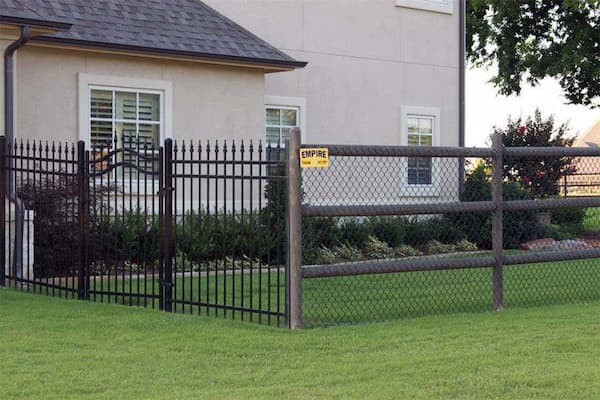
The intensity of usage impacts how long a fence will remain functional. Fences in high-traffic areas, such as public parks or school grounds, experience more physical stress from human interaction or environmental factors.
This increased wear and tear can lead to a shorter lifespan. Conversely, fences in less active areas, like private residences, typically endure less stress and last longer.
Average Lifespan
Lifespan Estimates
Typically, a chain link fence can last between 15 to 20 years. This estimate is based on an average situation where the fence is made from standard materials and faces normal weather conditions.
It’s a straightforward fact. With regular care and no extreme weather, a chain link fence should serve well for at least 15 years and often up to 20 years.
Variability Factors
The lifespan of a chain link fence can vary based on several factors. When the fence is made from high-quality materials, it lasts over 20 years.
However, in areas with harsh weather, like lots of rain or snow, the fence does not last as long, possibly less than 15 years. The way the fence is installed and maintained also affects its lifespan.
Proper installation and regular maintenance can extend its life, while poor installation and neglect can shorten it.
Comparison With Alternatives
Compared to other fences, chain link fences offer a moderate lifespan. For instance, wooden fences typically last for about 10 to 15 years, which is shorter than the average lifespan of a chain link fence.
On the other hand, vinyl fences can last much longer, around 20 to 30 years. This means that chain link fences are a good middle option: they last longer than wooden fences but not as long as vinyl fences.
This information helps in understanding where chain link fences stand in terms of durability compared to other fencing options.
Maintenance Tips
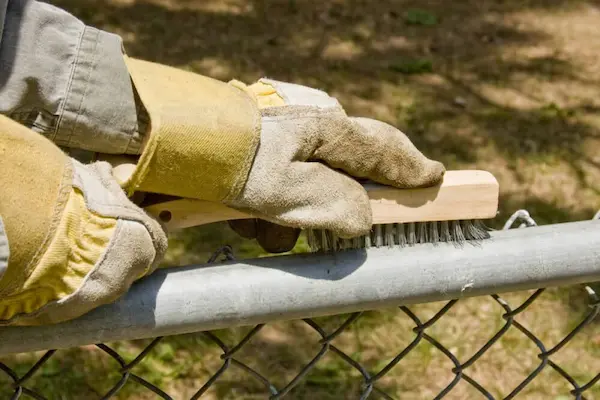
Regular Cleaning
Keeping a chain link fence clean is important for its upkeep. It’s simple: just use water and a mild soap to wash the fence. Doing this regularly, like once every few months, helps remove dirt and grime.
This cleaning prevents buildup that can lead to bigger problems like rust. It’s especially important to clean more often if the fence is near a road or plants, as it can get dirty quickly.
Rust Prevention
Rust is a big enemy of chain-link fences. To stop rust, it’s crucial to check the fence often, like every few weeks. Look for small rust spots. In case you find any, clean them right away.
You can use a wire brush to scrub off the rust. After cleaning, applying rust-resistant paint helps protect the fence. This paint acts as a shield against rain and moisture, which causes rust.
Damage Repair
Fix any damage to the fence, like a broken link or a loose post, as soon as possible. For a broken link, you can cut the chain link fence and replace just that part instead of the whole fence. In case the fence is leaning or wobbly, make sure to stabilize it.
This involves tightening bolts or making sure posts are firmly in the ground. Quick repairs keep the fence strong and extend its life. It’s a lot like taking care of a small problem before it becomes big.
Enhancing Fence Longevity
Quality Materials
Choosing the right materials is crucial for a fence’s longevity. For instance, opting for steel, known for its strength and durability, can significantly extend the life of a chain link fence.
Steel is more resistant to damage and wear compared to softer metals. Investing in higher-quality materials costs more initially, but it saves money in the long run as the fence will need fewer repairs and last longer.
Proper Installation

Proper installation is key to ensuring a fence’s longevity. It’s best to have a professional do the installation. They know how to anchor the fence properly and ensure it is balanced and stable.
This reduces the risk of the fence leaning or becoming loose over time. A well-installed fence can withstand environmental stress better and maintain its integrity for many years.
Protective Coatings
Applying protective coatings is an effective way to enhance a fence’s durability. Like rust-preventive paint, these coatings shield the fence from elements that cause wear, like moisture and UV rays.
These coatings must be applied thoroughly and regularly maintained. This involves reapplying the coating every few years to ensure continuous protection.
Regular Upgrades
Regularly upgrading parts of the fence can prevent long-term issues. This involves inspecting the fence and replacing parts that are old or showing signs of wear, such as rusted links or weakened posts.
By addressing these issues promptly, the overall structure remains strong and functional. Regular upgrades prevent small problems from turning into major ones, thus extending the overall lifespan of the fence.
FAQs
1. What Is The Average Lifespan Of A Chain Link Fence?
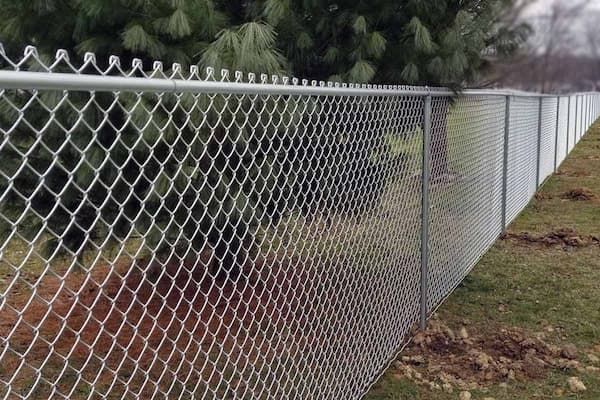
A chain link fence usually lasts about 15 to 20 years. This depends on the fence’s material and how well it’s cared for.
2. When Should I Replace My Chain Link Fence?
You should replace your chain link fence if it’s badly rusted, has many broken links, or if the posts are unstable. In case repairs are too big, it’s time for a new fence.
3. What Are The Disadvantages Of A Chain Link Fence?
Disadvantages of a chain link fence include less privacy compared to solid fences, the potential for rusting, and it does not look as nice as other fences. Also, it can be climbed over easily, which is a concern for security.
Conclusion
The lifespan of a chain link fence can vary significantly based on several factors. They include the quality of materials, types of chain link fencing, climate conditions, installation methods, and maintenance practices.
Generally, a chain link fence can last between 15 to 20 years with proper care and under normal conditions. By choosing high-quality materials, ensuring professional installation, and carrying out regular maintenance and timely upgrades, you can significantly enhance the longevity of your fence.
Remember, a well-maintained chain link fence is not just a boundary; it’s a long-term investment in the safety and value of your property. You can even electrify your chain link fence for better security.