Building a fence isn’t just about marking territory or keeping out unwanted guests. A fence, especially made of cedar, is an elegant touch to any home, amplifying its beauty and raising property value.
To build a cedar fence, plan the layout, then get cedar pickets and posts. Dig and set the posts in concrete to cure. Add crossbeams and spaced pickets with galvanized screws and nails. Apply a protective stain or sealer to the finished fence.
In the following guide, we’ll dive deep into the steps of how to build a cedar fence.
Step 1: Planning Your Fence
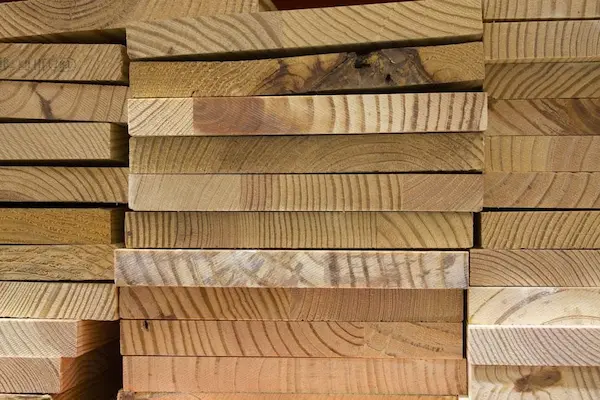
In this section, we’ll discuss why you’re building the fence, the rules you need to know, how to measure, and how to pick the right cedar.
Define Purpose
Knowing why you’re building a fence is important. You will choose the design based on the purpose. For privacy, a tall, solid fence works best. For decoration, a shorter picket fence will do.
Check Regulations
Your local town or city has rules about fences. Before starting, check these rules. They will tell you how tall your fence is and where it can go. You don’t want to break any laws.
Measure And Layout
Take a tape measure and find out how long your fence will be. Mark the spots where you’ll place fence posts. Use stakes and string to see the fence line. Proper measuring saves time later.
Select Cedar Grade
There are different grades of cedar wood. The higher the grade, the better the quality. But it’s also more expensive. Choose a grade that fits your budget and looks good.
Step 2: Gathering Materials
Getting the right materials is key for building a sturdy cedar fence. We’ll go over the cedar parts, fasteners, tools, and safety gear you’ll need.
Cedar Posts And Rails
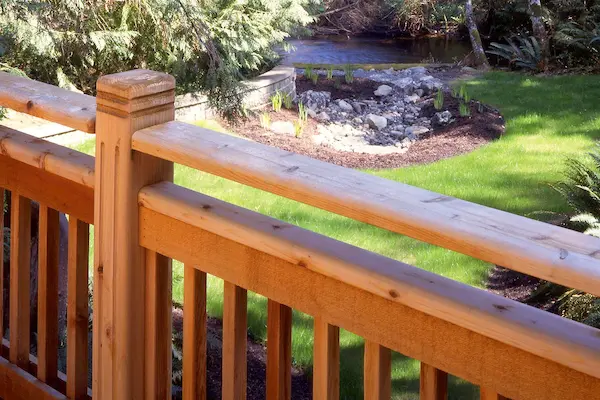
The backbone of your fence will be cedar posts and rails. Cedar is chosen because it’s strong and resists rot. It’s crucial to pick straight posts for a steady fence.
Fasteners And Hardware
Secure your fence with quality fasteners and hardware. Rust-free options are best. They last longer and keep the fence strong. Proper hardware ensures a fence that stands firm.
Tools And Equipment
Having the right tools makes the job easier. A hammer, saw, and level are basics. A post digger helps with setting posts. Always keep tools sharp for safety.
Safety Gear
Building a fence needs care. Safety gear protects you. Wear gloves to prevent splinters. Safety goggles keep eyes safe from dust. Hard hats protect from falling objects.
Step 3: Setting The Posts
Setting the posts right is the heart of fence building. We will cover digging holes, using gravel, making sure things are straight, and locking the posts in place.
Digging Holes
Starting right means digging good holes. They are deep, so your fence stands tall and strong. Remember, deeper holes make for a longer-lasting fence. Use a post digger for best results.
Adding Gravel
Once you have your holes, add some gravel. Gravel helps with drainage. This stops water from rotting the base of your cedar posts. A few inches at the bottom will do the trick.
Level And Plumb
Ensuring your posts are straight is crucial. Use a level for this. It’s important because a straight fence looks better and is more stable. Always double-check before moving on.
Secure Posts
After setting them straight, it’s time to secure the posts. Fill the holes with concrete or soil. Tamping down firmly ensures your fence will stand strong against wind and time.
Step 4: Building The Fence Panels
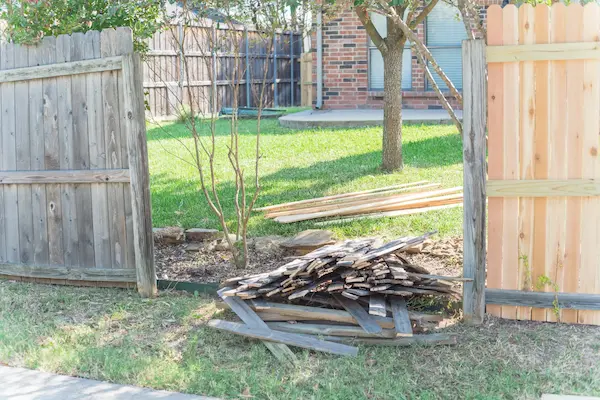
Building fence panels is where your fence starts to take shape. We’ll discuss cutting cedar boards, assembling panels, attaching rails, setting spaces, and the importance of staggering boards.
Cut Cedar Boards
Begin with cutting your cedar boards. Cedar is great because it’s durable and looks nice. Ensure every cut is precise. This is key to a neat-looking fence.
Assemble Panels
After cutting, start assembling the panels. A strong panel foundation is essential for durability—lay boards side by side. Connect them tightly to make sure there are no gaps.
Attach Rails
Rails give support to your fence. Attach them horizontally between posts. This step is vital because rails hold your boards in place. Use quality fasteners for best results.
Ensure Spacing
Consistent spacing between boards is crucial. It allows wind to pass through and prevents pressure on your fence. Measure each space, as uniform gaps are both functional and aesthetic.
Staggering Board
Lastly, stagger the boards. This means not having seams lined up. Staggering is important because it adds strength and a unique look to your cedar fence.
Step 5: Installing Gates And Hardware
A gate completes your fence and provides access. We’ll explore how to set up the gate frame, attach hinges and latch, ensure proper alignment, and add those final touches.
Gate Frame
Every strong gate starts with a sturdy frame. The frame supports the gate and ensures it won’t sag. Choose durable materials. A robust gate lasts longer and operates smoother.
Hinges And Latch
Hinges allow your gate to swing. The latch keeps it closed. Always pick high-quality hinges and latches. This ensures they work well and don’t wear out quickly.
Alignment
Your gate needs to be straight. Proper alignment makes it easy to open and close. Take your time with this step. A well-aligned gate will save future headaches.
Finishing Touches
Once everything’s in place, add the finishing touches. This includes handles, locks, or decorative elements. These details not only make your gate functional but also enhance its appearance.
FAQs
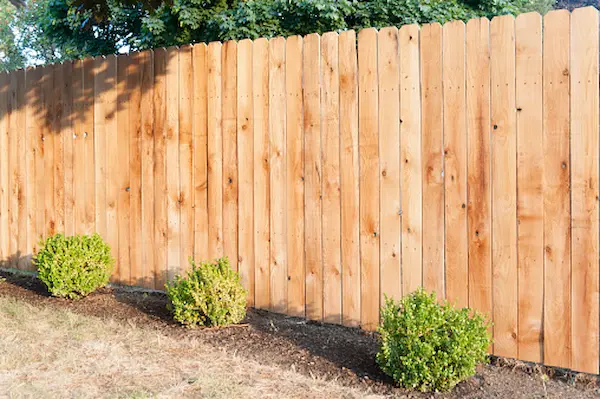
What Is The Best Material For A Cedar Fence?
Cedar wood is the best material for outdoor fences. Cedar resists rot, bugs, and water damage. It has natural oils that protect it from the elements. Cedar fences stay strong for many years with little maintenance needed. So, choose cedar wood.
How Long Does Cedar Last On A Fence?
Cedar fences can last 15-30 years if properly treated. The cedar wood resists decay naturally.
With the application of a protective fence stain or sealer every 2-5 years, a cedar fence can maintain its beauty and structural integrity for decades before needing replacement.
Does Cedar Make Good Fencing?
Yes, cedar makes excellent fencing material. Its natural durability against weathering, bugs, and moisture rot makes it ideal for outdoor fences. Cedar fencing requires minimal maintenance compared to other wood types.
Its natural oils help cedar fences withstand years of sun and rain.
How To Build A Cedar Fence: Conclusion
Constructing a cedar fence is more than just assembling wood; crafting a natural barrier that stands the test of time and elements.
Cedar, renowned for its longevity and vibrant charm, is a homeowner’s best friend for outdoor projects.
By now, you’ve equipped yourself with the knowledge to lay each plank confidently, ensuring durability while flaunting the wood’s innate beauty.