When choosing between cedar and redwood for a fence, many factors come into play. Both woods are popular choices, known for their durability and natural beauty. They bring a warm, inviting feel to any backyard. However, each has unique qualities, from cost to longevity, making the decision not just about appearance but also about practicality and maintenance.
In comparing cedar vs redwood fences, cedar is known for its distinct fragrance and resistance to moisture, while redwood boasts superior longevity and slightly higher resistance to insects and decay. Both woods offer a unique blend of practical functionality. making them the top choice.
This article will dive deeper into the characteristics of both cedar and redwood.
KEY Takeaways
- Durability and Resistance: Cedar offers excellent moisture resistance, while redwood boasts higher durability and insect resistance.
- Aesthetic and Style: Both woods provide a natural, elegant look, but redwood tends to have a richer color and finer grain.
- Cost and Maintenance: Cedar is generally more cost-effective and requires regular maintenance, whereas redwood, though pricier, needs less upkeep.
Cedar – Durability And Lifespan
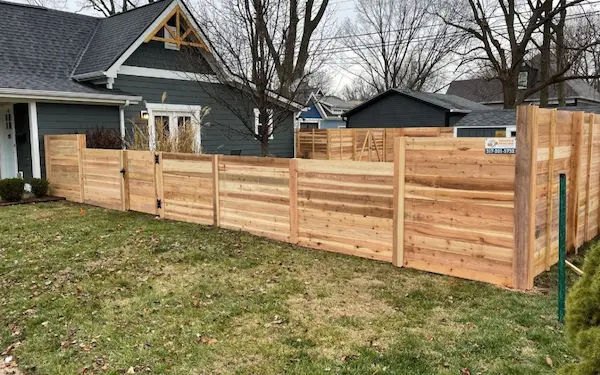
Cedar is a popular choice for fences due to its durability and lifespan. We’ll explore its natural decay resistance, overall lifespan with maintenance, and vulnerability to insects in this detailed comparison.
Natural Resistance To Decay
Cedar wood is widely appreciated for its natural resistance to decay. This quality makes it an ideal material for outdoor uses like fencing. The inherent durability of cedar helps it to stand strong against various weather conditions. Its resistance to rot and decay is a crucial factor contributing to its popularity in outdoor applications.
Moderate Lifespan With Proper Maintenance
A cedar fence can last a significant amount of time, especially with appropriate maintenance. Regular care, including staining and sealing, not only extends the life of the fence but also maintains its aesthetic appeal.
These maintenance practices are crucial in protecting the wood from weathering and wear, thereby enhancing its durability. By committing to routine upkeep, homeowners can ensure their cedar fence remains in good condition for many years.
Prone To Insect Damage
Despite its resistance to decay, cedar is not immune to insect damage. This is particularly true in humid climates where insects are more prevalent. Regular inspections are essential to identify any signs of insect infestation early on.
Timely and appropriate treatments can effectively address these issues, helping maintain the cedar fence’s structural integrity and appearance. Proactive measures in insect control play a vital role in preserving the quality and longevity of cedar fencing.
Redwood – Durability And Lifespan
Redwood is a top choice for fences due to its impressive durability and long lifespan. We will delve into its rot resistance, minimal maintenance needs, and natural pest repellency, showcasing why it’s a favored material for long-lasting fences.
High Durability And Resistance To Rot
Redwood is known for its remarkable durability and innate resistance to rot. These characteristics make it exceptionally suitable for outdoor environments, particularly in damp areas.
Redwood fences maintain their structural integrity and aesthetic appeal even under challenging weather conditions. This natural resistance to rot is a significant advantage, ensuring that Redwood fences stay strong and durable for years, withstanding the test of time and elements.
Long Lifespan With Minimal Maintenance
The inherent strength and resilience of Redwood translate into a notably long lifespan for fences made from this wood. Unlike other materials, Redwood requires relatively little maintenance to preserve its condition and appearance.
This low-maintenance aspect is a major benefit for homeowners, as it reduces the time and expense associated with fence upkeep. The durability of Redwood ensures that fences retain their beauty and functionality for many years, making it a cost-effective choice in the long run.
Naturally Repels Pests
A standout feature of Redwood is its natural ability to repel pests. This quality is especially valuable as it reduces the risk of insect infestations, which can compromise the structural integrity and appearance of a fence. The pest-repellent property of Redwood means that fences made from this wood are less likely to require chemical treatments or frequent repairs due to pest damage.
This natural resistance to pests adds to the overall durability and appeal of Redwood as a fencing material, making it an ideal choice for a long-lasting, low-maintenance fence.
Cedar – Cost And Budget Considerations
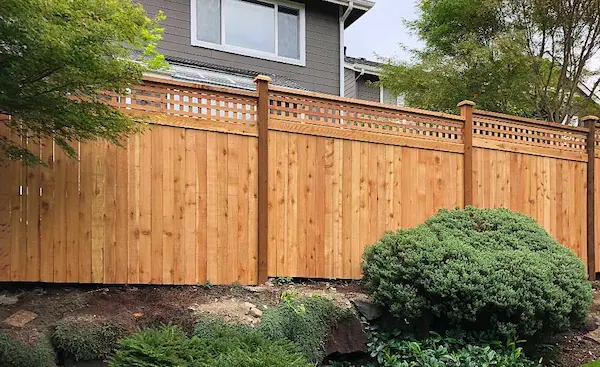
Evaluating cost and budget is crucial when choosing fencing materials. In this section, we’ll examine cedar’s affordability, including its lower initial cost, potential maintenance expenses, and overall value as a fencing option.
Lower Initial Cost Compared To Redwood
Cedar is often favored for its more accessible initial cost, especially when compared to Redwood. This affordability makes cedar an appealing choice for homeowners who desire a high-quality fence without a substantial financial outlay. The lower price point of cedar does not compromise its quality, offering a balance between cost-effectiveness and performance.
Potential For Higher Maintenance Expenses
Although Cedar’s initial cost is lower, it’s important to factor in long-term maintenance expenses. Cedar may require regular treatments, staining, and repairs to maintain its condition and extend its lifespan. These maintenance activities can add to the overall cost over time. Homeowners should consider these potential expenses when calculating the long-term budget for a cedar fence.
Versatile And Affordable Option
Despite the possibility of higher maintenance costs, cedar remains a versatile and economically viable option. It offers durability and aesthetic appeal, making it suitable for various fence designs and styles. This versatility, combined with its initial cost-effectiveness, continues to make cedar popular among homeowners looking for a balance between price and quality in their fencing material.
Redwood – Cost And Budget Considerations
When it comes to fencing, the investment decision is crucial. This section focuses on Redwood, examining its higher upfront cost, lower long-term maintenance, and status as a premium material, offering insights for budget planning.
Higher Upfront Investment
Redwood is recognized for its superior quality, which is reflected in its higher initial cost compared to Cedar. This upfront investment, while significant, is often considered worthwhile due to Redwood’s exceptional durability and longevity. By investing more initially, homeowners can potentially save on maintenance and replacement costs in the future, making Redwood a wise long-term choice.
Lower Long-Term Maintenance Costs
One of the key advantages of Redwood is its reduced need for frequent maintenance. Thanks to its natural resistance to decay and pests, Redwood fences often incur lower ongoing costs. This aspect translates into savings for homeowners over time, as the fence maintains its beauty and structural integrity with minimal upkeep. The low maintenance requirement not only eases financial burden but also makes Redwood an appealing option for those seeking a hassle-free fencing solution.
Considered A Premium Material
Redwood’s status as a premium fencing material not only brings a higher price tag but also adds significant value to your property. Its aesthetic appeal and long-lasting nature enhance the overall look and feel of your outdoor space. The investment in a Redwood fence is not just a functional choice but also an aesthetic one, contributing to the property’s curb appeal and potentially increasing its market value.
Cedar – Appearance And Aesthetics
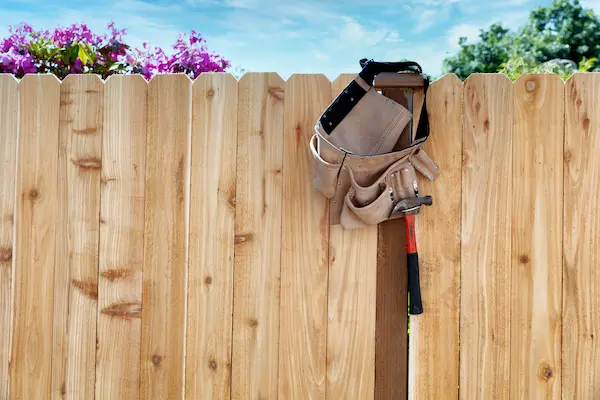
The appearance and aesthetics of a fence greatly influence a property’s overall look. In this section, we’ll explore Cedar’s unique color, natural wood grain, and its ability to take stains and finishes, highlighting how these features contribute to its aesthetic appeal.
Warm, Reddish-Brown Tones
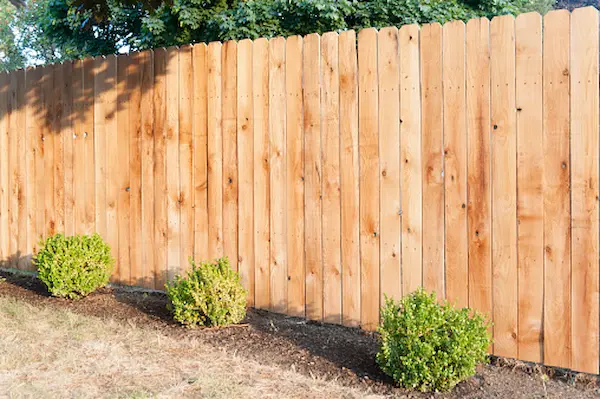
Cedar is known for its warm, reddish-brown tones, which bring a natural beauty and rustic charm to any setting. This distinct coloration makes Cedar an attractive option for those looking to add a cozy and inviting touch to their property. The rich hues of Cedar can complement a variety of landscaping styles, enhancing the visual appeal of outdoor spaces.
Natural Wood Grain And Texture
The natural wood grain and texture of Cedar add to its aesthetic value. Each cedar fence showcases a unique pattern, providing a sense of character and authenticity. This textural detail can create a visually interesting and organic look, making each cedar fence distinct and appealing in its own right.
Takes Stains And Finishes Well
Cedar’s porous nature makes it particularly receptive to stains and finishes, allowing it to absorb these treatments evenly and effectively. This characteristic allows homeowners to customize the appearance of their cedar fence according to their personal preferences and style.
Whether opting for a natural look or a more refined finish, Cedar’s adaptability to different stains and finishes makes it an excellent choice for those who value natural beauty and customization.
Redwood – Appearance And Aesthetics
Redwood is renowned for its striking appearance and enduring beauty. This section delves into the rich color, distinctive look, and resistance to fading and discoloration, underscoring why Redwood is a favored choice for aesthetically appealing fences.
Rich, Reddish Color With Natural Variations
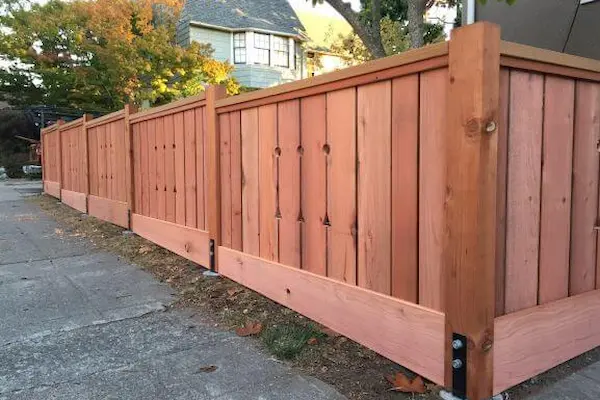
Redwood stands out with its rich, reddish hue, which is interspersed with charming natural variations. This unique color palette imparts a timeless elegance to fencing projects, making Redwood fences not just a boundary marker but a statement piece. The natural color variations in Redwood add depth and visual interest, enhancing the overall aesthetic appeal of any outdoor space.
Distinctive And Elegant Appearance
The appearance of Redwood is distinct and elegant, setting it apart from other fencing materials. Its eye-catching look makes it a highly desirable choice for property owners who seek to add a touch of sophistication and natural beauty to their landscapes. The distinctive appearance of Redwood fences can complement various architectural styles, adding a refined and polished look to the property.
Resistant To Fading And Discoloration
One of the key advantages of Redwood in terms of aesthetics is its natural resistance to fading and discoloration. This quality ensures that the captivating appearance of the fence is preserved over time, even when exposed to sunlight and other environmental elements. The durability of Redwood’s color and texture means its aesthetic appeal remains consistent, requiring less effort to maintain its beauty.
This resistance to fading and discoloration is a significant factor in Redwood’s popularity as a fencing choice that combines beauty and longevity.
Cedar – Environmental Sustainability
Considering the environmental impact of materials is increasingly important. This section focuses on Cedar’s sustainability aspects, including its renewability, FSC certification availability, and low carbon footprint, highlighting why it’s an eco-friendly choice for fencing.
Renewable And Sustainable Material
Cedar stands out as an environmentally responsible choice due to its renewability. Cedar can be sustainably harvested and replanted as a naturally occurring and fast-growing species. This cycle ensures a continuous supply without depleting natural resources, making Cedar a sustainable option for eco-conscious homeowners.
Its ability to regrow and replenish makes Cedar a viable material for those looking to minimize their environmental impact.
FSC-Certified Options Available
Choosing FSC-certified Cedar is a commendable option for those who prioritize environmental responsibility. The Forest Stewardship Council certification guarantees that the wood has been sourced from responsibly managed forests.
This certification assures that the Cedar used for your fence contributes to sustainable forest management practices, supporting both environmental and social standards.
Low Carbon Footprint
Another significant environmental advantage of Cedar is its low carbon footprint. Compared to other building materials, Cedar requires less energy to process and transport. This reduced energy consumption translates to a smaller carbon footprint, making Cedar an environmentally friendly choice.
Its natural properties, such as lightness and ease of processing, contribute to this lower environmental impact, favoring Cedar as a sustainable material for environmentally conscious people.
Redwood – Environmental Sustainability
Environmental sustainability is a key consideration in choosing fencing materials. In this section, we’ll explore Redwood’s eco-friendly aspects, including its sustainable harvesting, status as an environmentally conscious choice, and potential for carbon sequestration.
Sustainably Harvested From Managed Forests
Redwood is typically sourced from managed and maintained forests with environmental responsibility in mind. These managed forests follow practices that ensure sustainable growth and harvesting, contributing to the ecological balance.
The conscientious management of these forests ensures that Redwood is not only a durable and attractive material but also one that aligns with principles of environmental stewardship.
Considered An Eco-Friendly Choice
Redwood is often recognized as an eco-friendly option for fencing due to its sustainable sourcing and long-lasting nature. Its durability means fences made from Redwood require less frequent replacement or repair, reducing the need for additional resources and minimizing environmental impact over time.
This combination of sustainability and longevity makes Redwood a preferred choice for those seeking an environmentally responsible fencing material.
Potential For Carbon Sequestration
A unique environmental benefit of Redwood is its capacity for carbon sequestration. This natural process involves absorbing and storing carbon dioxide from the atmosphere, a key factor in combating climate change. The use of Redwood in fencing and other construction projects contributes to this positive environmental impact, as the wood continues to store carbon throughout its lifespan.
This characteristic adds another layer to Redwood’s eco-friendly profile, making it an appealing choice for environmentally conscious consumers.
FAQs
1. What Is Better, Cedar, Or Redwood For A Fence?
Choosing between Cedar and Redwood for a fence depends on priorities. Cedar is more cost-effective and offers a rustic look, while Redwood, though pricier, provides greater durability and a richer appearance. Both are sustainable, but Redwood’s longer lifespan and lower maintenance might offer better long-term value.
2. Is Cedar Wood More Expensive Than Redwood?
Cedar wood typically costs less than Redwood, making it a more budget-friendly option. Although Cedar provides durability and a pleasing aesthetic, Redwood commands a higher price for its enhanced longevity and richer appearance, which may justify its cost for those prioritizing premium quality and minimal maintenance.
3. Does Redwood Last As Long As Cedar?
Redwood generally lasts longer than Cedar due to its superior resistance to decay and pests. While both woods are durable, Redwood’s natural properties give it a longer lifespan, especially with minimal maintenance, making it a more long-lasting option compared to Cedar.
Conclusion
So as far as “Cedar vs Redwood fence” is concerned, both Cedar and Redwood offer distinct advantages for fencing purposes, and the ultimate choice depends on individual preferences, budget, and environmental considerations.
Cedar provides a cost-effective option with natural beauty, while Redwood offers a premium, long-lasting investment that enhances property value.
Regardless of your choice, both materials are solid options for creating a durable, aesthetically pleasing, and environmentally sustainable fence to complement your outdoor space.
Enjoyed reading this blog? Then you may read another blog about cleaning black marks off vinyl fence.