Thinking about building a wood fence? It’s a great choice for adding privacy and beauty to your home. Wood fences are popular because they blend well with natural surroundings and can be easily customized. But how long does a wood fence last? This is an important consideration when investing in your home’s exterior.
A typical wood fence, with proper maintenance, can last anywhere from 15 to 20 years. Factors like the type of wood, climate, and upkeep play significant roles in its longevity. Cedar and redwood are known for their durability and resistance to rot and insects.
In the following sections, we’ll dive deeper into the factors that affect a wood fence’s lifespan.
KEY Takeaways
- Wood Type Matters: Different woods like cedar and redwood offer varying levels of durability and resistance to rot.
- Maintenance is Crucial: Regular cleaning, staining, and repairs are essential to extend the fence’s lifespan.
- Environmental Impact: Factors like climate and local pests can significantly influence how long a wood fence lasts.
Average Lifespan of Wood Fences
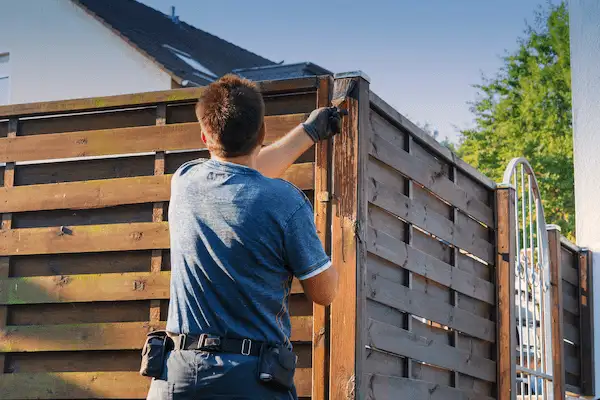
An outdoor centerpiece, your wooden fence might make you ponder: What’s the average lifespan of this elegant barrier? This indeed varies by the wood type, namely Cedar, Redwood, and Pine. Each has its unique characteristics that influence longevity.
Cedar:15 to 30 Years
Cedar, the superstar among fence materials, boasts an impressive lifespan. With proper care, a Cedar fence can stand tall and proud in your yard for about 15 to 30 years. It’s naturally resistant to rot and insect damage, making it a durable and reliable choice.
Redwood:20 to 35 Years
Redwood takes the longevity game up a notch. Known for its striking beauty and outstanding durability, Redwood fences can last anywhere from 20 to 35 years. With their inherent resistance to decay and insects, they add both charm and longevity to your garden.
Pine:10 to 15 Years
Lastly, we have Pine. A Pine fence is the modest yet hardworking player in this game, with a lifespan of about 10 to 15 years. While not as long-lasting as Cedar or Redwood, Pine’s affordability makes it an attractive option for many homeowners.
Understanding these lifespans empowers you to make informed choices, guaranteeing the best fit for your home while keeping future maintenance in mind.
Factors that can Extend or Shorten Fence Lifespan
Even though the type of wood plays a pivotal role, there are other factors that can either extend or shrink your fence’s lifespan. Just like how we humans need a good diet, exercise, and healthcare, your fence needs its share of care and attention, too!
Maintenance Practices and Frequency
Maintenance is like the vitamin regimen for your fence. Regular cleaning, staining, or sealing can add years to your fence’s life. Treat it right, and your fence will return the favor with an extended, healthy lifespan.
It’s advisable to clean your wood fence at least once a year. This involves removing dirt, grime, and mildew that can accumulate over time. Use a gentle cleanser and a soft brush or pressure washer on a low setting to avoid damaging the wood.
Environmental Conditions and Exposure
Environmental factors are like the weather conditions for a marathon runner. Harsh climates, constant exposure to the sun, or being in a moisture-rich environment can accelerate the aging process of your fence.
Just like a runner adapts and prepares, suitable protective measures for your fence can make all the difference.
Quality of Wood and Construction
The quality of the wood and construction is akin to a solid foundation for a skyscraper. High-grade wood, coupled with expert construction, can ensure your fence stands robust and enduring. This, in turn, can add a significant number of years to your fence’s lifespan.

Remember, a long-lasting fence is not just about choosing the right wood, but also about maintaining it properly, protecting it from harsh environmental conditions, and ensuring quality in construction. It’s the art of balancing multiple elements.
Environmental Factors Influencing Fence Lifespan
When it comes to the question, “How long does a wood fence last?”, the environment plays a crucial role. Just as plants in a garden respond to sun, rain, and air, your fence too interacts with the environment. Let’s delve into the details.
Impact of Rain, Snow, and Humidity on Wood Deterioration
Rain, snow, and humidity are like uninvited guests for your wooden fence. They bring moisture, which can lead to wood rot and decay.
Over time, these conditions can significantly reduce the durability and lifespan of your fence. It’s a battle your fence fights daily!
Importance of Proper Drainage and Waterproofing
The right preparation can help your fence in this battle. Proper drainage around the fenced area can prevent water from pooling, reducing the risk of rot. Similarly, waterproofing your fence can act as a shield, protecting it from moisture damage.
These practices are like the protective gear that increases the longevity of your fence in the face of environmental challenges.
Just as we need to adapt to our environment, your fence needs a bit of help too. With the right precautions, you can extend its lifespan, ensuring it continues to add beauty and privacy to your home for many years.h
Increasing Fence Longevity
In this section, we will discuss how to increase the longevity of your fence. It includes choosing a higher grade wood or applying effective finishes.
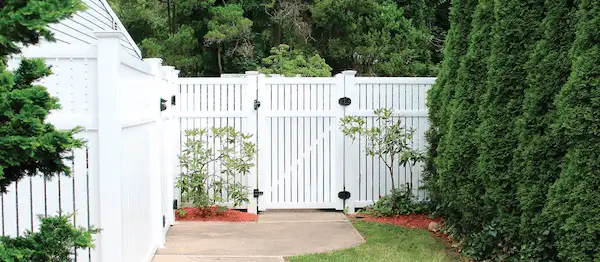
Choosing Higher-Grade or Treated Wood
Just as a chef selects the best ingredients for a gourmet meal, choosing higher-grade or treated wood can make a significant difference.
These wood types come with added resistance against pests, rot, and weather damage, paving the way for a longer, sturdier life for your fence.
Applying Effective Protective Finishes and Sealants
Think of protective finishes and sealants as the fence’s shield in a gladiator battle. These coatings repel water, resist sun damage, and prevent the wood from splitting or cracking.
Regular application of these can help your fence stand firm and beautiful against the test of time.
Implementing Regular Maintenance and Repairs
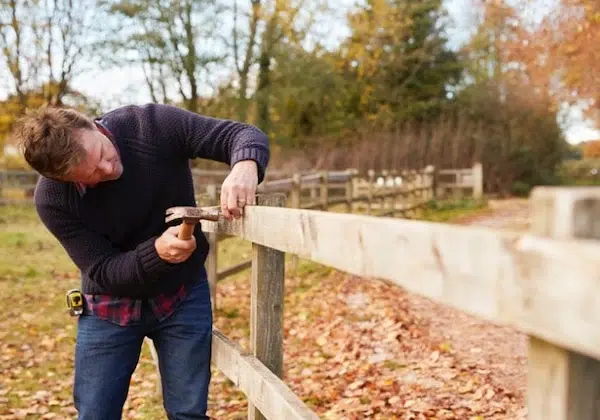
Maintenance is like regular health check-ups for your fence. Cleaning it, addressing repairs promptly, and monitoring for signs of damage can prevent minor issues from becoming major problems. A little bit of love and care can go a long way in extending your fence’s life.
Intriguing, isn’t it? How a few simple steps can add years to your fence’s life? With the right choices and care, your wooden fence can stand tall and elegant, creating a beautiful and secure boundary for your home for many years to come.
Fence Maintenance and Care
Fence maintenance and care are like the day-to-day routines that keep us fit and healthy. Just as we need a proper diet, exercise, and regular check-ups, your wooden fence requires a maintenance regimen too!
Regular Cleaning and Inspection
Cleaning and inspection are the workout routine for your fence. Regular cleaning helps keep your fence free from dirt, mildew, and other elements that can damage the wood. Periodic inspections can help you spot signs of damage early before they become big problems. Prevention is indeed better than cure!
Staining, Sealing, and Painting:
Staining, sealing, and painting are like the nutrition supplements for your fence. They provide an additional layer of protection against harsh weather conditions, UV rays, and moisture. They also give your fence a fresh and vibrant look, adding to its aesthetic value.
Repairing and Replacing Damaged Sections
Repairs and replacements are like the necessary treatments when illness strikes. Whenever you spot a damaged section during your inspection, repair or replace it promptly. This helps maintain the overall health of your fence, preventing the spread of damage.
Just like our health routines, fence maintenance and care require a bit of effort, but the results are worth it. Imagine seeing your wooden fence standing tall and robust year after year.
Check out another related guide about cleaning a wood fence without pressure washing.
FAQs
1. How often do Wood Fences Need to be Replaced?
The need to replace a wood fence largely depends on the type of wood used and the care it receives. Cedar fences, with proper care, can last between 15 to 30 years, Redwood fences even longer at 20 to 35 years, and Pine fences about 15 years.
2. What is the Life Expectancy of a Fence?
The life expectancy of a fence varies depending on several factors, including the type of wood, the quality of construction, environmental conditions, and maintenance practices. However, generally, a well-maintained wood fence can easily last anywhere from 10 to 35 years.
3. How Long Does an Untreated Fence Last?
An untreated fence typically has a shorter lifespan due to increased susceptibility to environmental elements, pests, and decay. On average, untreated wood fences may last around 5 to 12 years, but this can significantly vary based on local climate and wood type.
Conclusion
And there you have it! Your wooden fence isn’t just a beautiful border; it’s a loyal guardian of your home that, with some love and care, can stand firm for years. From choosing the right wood type to diligent maintenance, each decision impacts the lifespan of your fence.
It’s a journey, filled with knowledge and practical steps that lead to your fence aging gracefully. So next time you enjoy a cool beverage in your yard, you can appreciate your wooden fence with a new understanding.