Cutting metal roofing panels can seem challenging, but with the right tools and steps, you can do it efficiently. This article teaches you how to cut metal roofing panels. Read it to find out.
First, measure and mark the panel with a marker. Secure the panel with clamps to keep it steady. Choose the right tool, such as tin snips for small cuts or a circular saw for long cuts. Wear safety goggles and gloves. Cut along the marked line carefully, then smooth the edges with a file.
This guide will walk you through each step to ensure a precise and safe cut. This is whether you’re a DIY enthusiast or a professional. Read it to learn more.
KEY Takeaways
- Measure And Mark: Measure the panel and mark where you need to cut with a marker or chalk.
- Select Tool: Choose the right tool, like tin snips or a power saw, for clean and precise cuts.
- Cut Safely: Wear gloves and goggles, and follow the marked line to cut the panel safely and accurately.
Tools And Materials Needed
To cut metal roofing panels safely and accurately, you’ll need some important tools and materials. These include safety gear to protect yourself, measuring tools for precise cuts and different cutting tools for various types of cuts. Having the right tools ensures a smooth and successful cutting process.
Safety Goggles
Safety goggles are essential when cutting metal roofing panels. They protect your eyes from flying metal shards and debris that can cause serious injuries. Even tiny pieces can hurt your eyes, so always wear goggles to keep your eyes safe. Choose goggles that fit well and are comfortable to wear. This way, you can work confidently without worrying about eye injuries.
Gloves
Gloves are very important when cutting metal roofing panels. They protect your hands from sharp edges that can cut or scrape your skin. Sturdy gloves keep your hands safe from potential injuries while you work. Make sure the gloves fit well and are made from strong material. Wearing gloves allows you to handle the metal safely and with confidence.
Measuring Tape
A measuring tape is crucial when cutting metal roofing panels. It helps you measure the exact length and width you need, making sure your cuts are precise. Accurate measurements prevent mistakes that can waste materials. Always double-check your measurements before marking the panel. Using a measuring tape correctly ensures your roofing panels fit perfectly when installed.
Permanent Marker Or Chalk

A permanent marker or chalk is used to draw cutting lines on metal panels. These lines guide you when cutting, ensuring you follow the correct path. Marking the lines clearly helps you see where to cut and avoid mistakes. Choose a marker or chalk that shows up well on metal. This simple step makes your work easier and more accurate.
Straight Edge Or Square
A straight edge or square helps you draw straight, even lines on metal panels. By placing it along your measurement marks, you can trace a perfect cutting line. This ensures your cuts are straight and accurate, preventing uneven edges. Using a straight edge or square makes the process easier, and your final cuts look professional. Always make sure it is aligned correctly before marking the panel.
Tin Snips
Tin snips are special scissors made for cutting metal. They’re perfect for making small, precise cuts on metal roofing panels. Tin snips come in different types for cutting straight, left, or right curves. They help you cut the metal cleanly without bending it. Using tin snips gives you control over your cuts, making it easier to follow your marked lines. Always use the right type of tin snips for the job.
Circular Saw With A Metal Cutting Blade
A circular saw with a metal cutting blade is great for long, straight cuts on metal roofing panels. The special blade is designed to cut through metal easily. You can set the saw to the right depth and guide it along your marked line for a clean cut. This tool makes cutting large sections of metal quick and precise. Always wear safety gear and handle the saw carefully to stay safe while cutting.
Angle Grinder
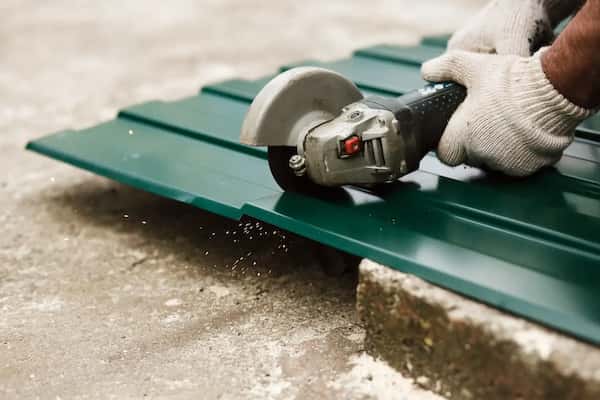
An angle grinder is a handy tool for making complex cuts and adjustments on metal roofing panels. It uses a spinning disc to cut through metal smoothly. This tool is perfect for detailed cuts that aren’t straight or for trimming edges. You can control the grinder to follow curves and tight spots. Always wear safety gear and hold the grinder firmly to stay safe while working. An angle grinder helps you make precise and intricate cuts easily.
Clamps
Clamps are used to hold metal panels firmly in place while you cut them. By attaching the clamps to a work surface, you prevent the panels from moving or shifting. This keeps your cutting line steady and helps you make accurate cuts. Clamps are especially useful when working with large or heavy panels. Make sure the clamps are tight and secure before starting to cut to avoid any accidents or mistakes.
Step-By-Step Guide To Cut Metal Roofing Panels
Cutting metal roofing panels is easy when you follow the right steps. This guide will walk you through each stage, from measuring and marking to choosing the best tools and making the cuts. By following these simple steps, you’ll ensure precise cuts and a smooth process.
Step 1: Measure And Mark
This is the first important step in cutting metal roofing panels. Start by measuring the size you need and marking it clearly on the metal. Accurate measurements and clear markings are crucial for making precise cuts and ensuring that your panels fit perfectly. Let’s learn more about it.
Measure The Panel
Use your measuring tape to find the exact length and width of the metal panel you need to cut. Start at one end of the panel and stretch the tape to the other end to get the correct measurement. Make sure to measure carefully and note down the dimensions. Accurate measurements help ensure that your cuts are precise and the panel fits correctly where you plan to install it. Double-check your measurements before marking them to avoid mistakes.
Mark The Cutting Line
Once you’ve measured the panel, use a permanent marker or chalk to draw a clear line where you want to cut. This line guides you as you cut, so make sure it’s straight and easy to see. A well-marked line helps you stay on track and make accurate cuts. Take your time to ensure the line is visible and matches your measurements to get a clean, precise cut.
Step 2: Secure The Panel
In Step 2, clamps are used to keep the metal panel steady on a stable surface while cutting. Place the clamps along the edges of the panel and tighten them to hold it in place. This stops the panel from moving or shifting, which helps you make a clean and accurate cut. Securely clamping the panel also keeps your cutting line straight and prevents mistakes. Make sure the panel is firmly held before you start cutting.
Step 3: Choose Your Cutting Tool
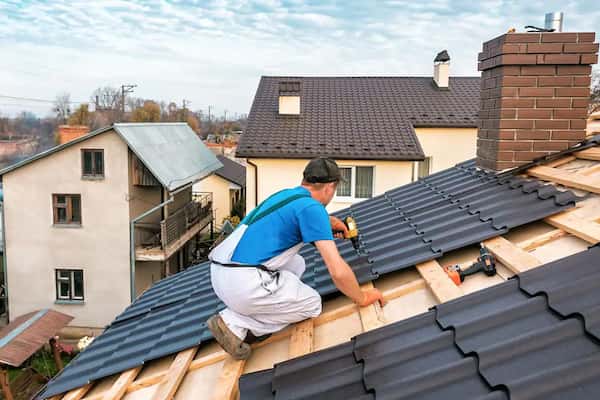
In Step 3, choose the right tool based on the type of cut you need. Tin snips are best for small, precise cuts on metal. A circular saw with a metal blade works best for long, straight cuts. An angle grinder is best for complex or curved cuts. Picking the right tool helps you make clean, accurate cuts and makes the job easier. Make sure you understand how to use each tool safely before starting.
Step 4: Cutting With Tin Snips (For Small Cuts)
This step involves using special scissors designed for metal. Tin snips are perfect for making small, precise cuts on your metal roofing panels. This step will show you how to use these tools effectively for clean and accurate cuts on smaller sections of the panel. Let’s discuss this step in detail.
Use Tin Snips
Tin snips are like special scissors made for cutting metal. They are great for making short, exact cuts on metal roofing panels. To use them, place the snips along your marked line and squeeze the handles to cut through the metal. Tin snips give you control over small cuts, helping you follow your lines accurately. They are especially useful for trimming edges or cutting out shapes on metal panels.
Types Of Snips
Tin snips come in three types: straight-cut, left-cut, and right-cut. Straight-cut snips are used for cutting straight lines. Left-cut snips are designed for cutting curves to the left, and right-cut snips are for curves to the right. Choose the type that matches the direction you need to cut. Using the right snips helps you follow your marked lines and make clean, accurate cuts on the metal panel.
Step 5: Cutting With A Circular Saw (For Long, Straight Cuts)
Step 5 involves using a powerful tool to make long and precise cuts. A circular saw with a metal cutting blade is perfect for cutting large sections of metal roofing panels. This step will guide you through using the saw to achieve clean and straight cuts efficiently.
Set Up The Saw
To set up your circular saw, first attach a metal cutting blade to the saw. This blade is designed to cut through metal. Next, adjust the blade depth so it matches the thickness of your metal panel. This means the blade will be at the right level to cut all the way through the panel without cutting too deep. Make sure everything is secure and properly adjusted before you start cutting to get a clean and precise cut.
Cut Slowly
When cutting with a circular saw, move slowly and steadily along the marked line. This helps you follow the line precisely and avoid mistakes. Let the saw do the work, and don’t rush the cut. Moving too fast can cause uneven cuts or damage to the metal. By cutting slowly, you ensure a clean and accurate cut, making sure the panel fits perfectly where you need it.
Step 6: Cutting With An Angle Grinder (For Complex Cuts)
Step 6 involves using a versatile tool to handle intricate cuts on metal roofing panels. An angle grinder is perfect for detailed and curved cuts that other tools can’t manage. This step will guide you through using an angle grinder safely and effectively for precise, complex cuts.
Attach Metal Cutting Disc
First, attach a metal cutting disc to an angle grinder. Start by unplugging the grinder for safety. Then, remove any existing disc by loosening the nut. Place the metal cutting disc onto the spindle, making sure it fits snugly. Tighten the nut securely to hold the disc in place. Double-check that everything is tight before plugging in the grinder. Now, your angle grinder is ready to cut metal accurately and safely.
Cut Gradually
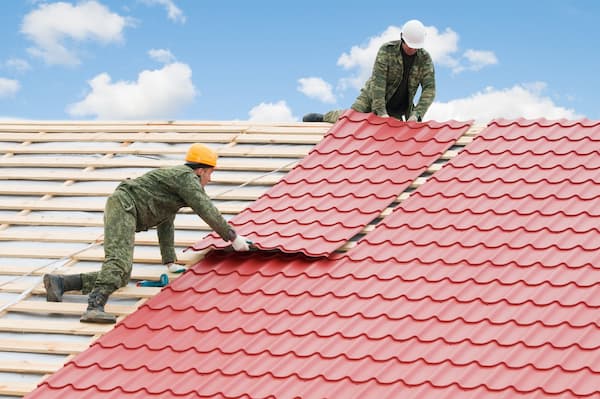
When using the angle grinder, cut gradually by following your marked line. Make light, gentle passes instead of trying to cut through the metal all at once. This helps prevent the metal from overheating and warping. By cutting gradually, you also ensure a smoother and more precise cut. Take your time, keep a steady hand, and let the grinder do the work to achieve the best results.
Step 7: Finishing The Cut
Step 7: Finishing the cut involves cleaning up the edges of your cut metal panel. After making your cuts, there can be rough or sharp edges. This step will show you how to smooth these edges for a clean and safe finish. Properly finishing the cut ensures the panel fits well and is safe to handle.
Common Mistakes To Avoid
Common mistakes to avoid highlight the errors people often make when cutting metal roofing panels. Avoiding these mistakes helps ensure a safe and accurate cutting process. This section will guide you through the most frequent errors, such as inaccurate measurements and using the wrong tools so that you can complete your project successfully.
Inaccurate Measurements
Inaccurate measurements can lead to big mistakes when cutting metal roofing panels. Always double-check your measurements before you cut to make sure they are correct. When your measurements are off, the panels cannot fit properly, wasting time and materials. Use a measuring tape and mark clearly, then measure again to confirm. Taking this extra step ensures your cuts are accurate and the panels fit perfectly.
Using The Wrong Tool
Using the wrong tool can lead to poor cuts and damage to your metal roofing panels. Always choose the right tool for the type of cut you need. For small, precise cuts, use tin snips. For long, straight cuts, a circular saw with a metal blade is best. For complex cuts, use an angle grinder. Using the correct tool ensures clean, accurate cuts and prevents ruining your panels.
Ignoring Safety Precautions
Ignoring safety precautions can lead to accidents and injuries. Always wear safety gear like goggles and gloves to protect yourself from metal shards and sharp edges. Secure the metal panel with clamps to keep it from moving during cutting. This helps prevent accidents and makes your work safer. Following these safety steps ensures you stay protected and can cut the metal panels without getting hurt.
FAQs
How Do I Safely Secure Metal Roof Panels Before Cutting?
Secure metal roof panels by placing them on a stable work surface. Use clamps to hold the panels firmly in place, preventing any movement. This keeps the panel steady and ensures your cuts are accurate. Always check that the clamps are tight, and the panel is secure before starting to cut.
Can I Use A Jigsaw To Cut Metal Roofing Panels?
Yes. You can use a jigsaw to cut metal roofing panels. Still, make sure to use a blade designed for metal. A jigsaw is suitable for making curved cuts or detailed shapes. For straight, long cuts, a circular saw or tin snips can be more efficient. Always wear safety gear and secure the panel well.
Can I Use A Plasma Cutter For Metal Roofing Panels?
Yes. You can use a plasma cutter for metal roofing panels. It cuts metal quickly and accurately. This is perfect for complex shapes. Always wear safety gear and follow the manufacturer’s instructions. Proper setup and safety measures are crucial. Follow these steps for a clean and safe cut.
Conclusion
Cutting metal roofing panels can be easy if you follow the right steps. First, gather all the necessary tools, such as tin snips, a circular saw, or an angle grinder, depending on the type of cut you need. Always measure carefully and mark your cutting lines clearly to avoid mistakes.
Safety is very important. Wear goggles and gloves to protect yourself, and use clamps to keep the panel steady while you cut. These steps ensure that your cuts are clean and precise, making your metal roofing project go smoothly. Following this guide helps you work safely and achieve great results with your metal panels.