Installing metal roofing can be a great way to protect your home from weather damage. Metal roofs are durable and long-lasting and can add a modern look to your house. Let’s learn how to install metal roofing in this complete article.
To install metal roofing, remove old roofing and check the roof structure. Lay underlayment. Start at the edge, align and secure metal panels with screws. Overlap panels. Add flashing around edges, chimneys, and skylights. Install the ridge cap. Check for gaps ensuring good ventilation.
This guide will walk you through the process step-by-step to ensure you have all the necessary information. Read this extensive article to learn more.
KEY Takeaways
- Prepare The Roof: Start by removing old roofing and checking the roof structure. Then, lay underlayment for protection.
- Install Panels: Begin at the edge, align metal panels, secure with screws, and overlap correctly for tight fit.
- Add Flashing: Install flashing around edges, chimneys, and skylights. Then add the ridge cap to seal everything.
Tools And Materials Needed
Before you start installing metal roofing, gather all the tools and materials you’ll need. Having everything ready makes the job easier and faster. You’ll need metal panels, screws, underlayment, safety gear, and measuring tools. Each item is important for a robust and long-lasting roof.
Metal Roofing Panels

Metal roofing panels are the main parts of your new roof. They come in different styles and colors, so you can pick the ones that look best on your house. These panels are made from solid metal to protect your home from rain, snow, and wind.
When you choose your panels, make sure they are the right size for your roof and match the design you like. Installing these panels correctly will help keep your roof durable and looking great for many years.
Fasteners And Screws
Fasteners and screws are critical when installing metal roofing. They hold the metal panels in place on your roof. It’s essential to use the right type of fasteners and screws explicitly made for metal roofing. These special screws have rubber washers that help prevent leaks.
Make sure you have enough fasteners to secure all the panels. Properly attaching the panels with these screws ensures your roof will be strong and won’t move or come loose. This is true even in bad weather. Using the right fasteners and screws helps keep your roof safe and secure for a long time.
Underlayment Materials
Underlayment materials are placed under the metal panels of your roof to add extra protection. They help keep water and moisture out, making your roof last longer. Common underlayment materials include felt and synthetic options. Felt is a thick, paper-like material, while synthetic underlayment is made from plastic and is more durable.
Both types help protect your home from leaks and weather damage. When installing your roof, cover the entire surface with underlayment before adding the metal panels. This extra layer is vital for keeping your roof strong and dry.
Safety Equipment
Safety equipment is essential when installing a metal roof to protect yourself from getting hurt. You must wear gloves to protect your hands from sharp edges and rough materials. Goggles protect your eyes from dust and small pieces that can fly around.
A harness is essential when working on a high roof, as it helps prevent falls. Always make sure your safety gear is in good condition and fits properly. Using the right safety equipment lets you stay safe and avoid injuries while working on your roof.
Measuring Tools
Measuring tools are essential for installing a metal roof correctly. You need a tape measure to measure the length and width of your roof and metal panels. A chalk line helps you make straight lines on the roof so you know where to place the panels.
A square ensures your measurements and cuts are at right angles, vital for a neat and secure fit. Having these tools ready and using them carefully will help you get accurate measurements, making your roof installation more manageable and precise.
Preparation Steps
Prepare your roof correctly before installing metal roofing. This involves checking the roof’s structure, removing old roofing materials, and ensuring everything is ready for the new panels. Proper preparation helps ensure the new roof will be strong, secure, and last long, ensuring good ventilation.
Inspect Roof Structure

Inspecting the roof structure is the first step before installing metal roofing. Look closely at the roof’s framework to check for any damage, like rotting wood or broken parts. Fixing any problems you find is essential because the roof needs to be strong enough to support the new metal panels.
Ensure the structure is solid and in good condition so your new roof will be safe and sturdy. When unsure how to check the roof structure, ask an adult or a professional for help.
Remove Old Roofing
Removing old roofing is an essential step before installing new metal panels. You need to take off any old shingles or other roofing materials on the roof. This creates a clean and smooth surface for your new metal roof. Use tools like a pry bar or shovel to lift and remove old materials carefully.
Be sure to dispose of them properly. Removing the old roofing helps the new panels fit better and last longer. It also prevents any hidden damage from affecting your new roof. Make sure the roof is spotless before moving on to the next step.
Measure And Cut Panels
Measuring and cutting the metal panels is critical in installing a metal roof. First, use a tape measure to find the exact dimensions of your roof. Write down these measurements to ensure you cut the panels correctly. Lay the panels flat and mark where you need to cut.
Use a saw or metal shears to cut the panels along the marked lines. It’s essential to be precise with your measurements and cuts to avoid wasting materials and ensure the panels fit perfectly on your roof. Accurate cutting helps your new roof look neat and professional.
Install Underlayment
Installing underlayment is an essential step in metal roofing. Start by rolling out the underlayment material across the entire roof surface, like felt or synthetic sheets. Cover every part of the roof to provide extra protection against moisture. Overlap the edges of each sheet to prevent any gaps where water could get through.
Secure the underlayment with nails or staples, ensuring it lies flat and smooth. This extra layer helps keep your roof dry and protects the house from leaks and water damage. It’s essential for a solid and durable metal roof.
Plan Ventilation
Planning ventilation is crucial for a healthy roof. Before installing metal panels, decide where vents will be placed. Good ventilation helps prevent moisture buildup, which can cause mold and damage to the roof. Familiar places for vents are at the roof’s ridge and eaves.
Mark these spots and ensure enough space for air to flow in and out. This keeps the roof cool and dry. Proper planning ensures that the vents will protect your home from moisture problems once the metal panels are installed.
Installing Metal Panels

Installing metal panels is a major step in building your new roof. This involves attaching the metal panels to the roof structure, ensuring they fit tightly and securely. Following the correct steps will help create a robust and weather-resistant roof that lasts a long time and protects your home.
Starting Edge Panel
The first step in installing metal panels is to start with the edge panel. Begin at the edge of the roof, usually at the bottom corner. Place the first metal panel on the roof, ensuring it is straight and lines up with the edge. This is called being “square” to the roof.
Use screws to secure the panel in place. Double-check that it’s appropriately aligned because this first panel sets the direction for all the others. Ensuring the first panel is correctly positioned helps ensure the rest of the roof looks neat and fits well.
Align And Secure Panels
Aligning and securing panels is crucial when installing metal roofing. After placing the first panel, align the next panel so it fits snugly against the edge of the first one. Carefully check that the edges line up perfectly. Use screws to secure each panel, placing them through the flat areas of the metal.
Make sure the screws are tight but not too tight to avoid damaging the panels. Continue this process, aligning each new panel with the previous one, ensuring they fit together without gaps. Proper alignment and secure fastening keep the roof strong and weatherproof.
Overlapping Panels Correctly
Correctly overlapping panels are essential for a watertight roof. Follow the manufacturer’s instructions to determine how much each panel must overlap the next. Usually, this means placing one panel slightly over the edge of the previous one. This overlap helps prevent water from getting through the seams.
Make sure the overlapping edges line up appropriately and lie flat. Secure the panels with screws at the points where they overlap. This ensures the roof is sealed tightly and can protect your home from rain and snow. Proper overlapping is vital to keeping your roof leak-free and durable.
Securing With Screws
Securing the panels with screws is an essential step in installing metal roofing. Use screws designed for metal roofs, which often have rubber washers to prevent leaks. Place the screws in the flat areas of the panels, not in the raised ridges. This helps prevent water from seeping in around the screws.
Space the screws evenly. Do it according to the manufacturer’s guidelines to ensure the panels are firmly in place. Make sure the screws are tight enough to secure the panels but not so tight that they damage the metal. Properly secured panels help keep your roof strong and leak-free.
Checking For Alignment
Checking for alignment is crucial as you install each metal panel. After securing a panel, step back and ensure it lines straight with the roof’s edge and the previous panels. Use a chalk line or measuring tape to help keep the panels straight.
When you notice any misalignment, adjust the panel before moving on. Continuously checking ensures that your roof looks neat and all panels fit together correctly. Proper alignment helps the roof function well and prevents gaps where water could seep in, keeping your roof strong and weatherproof.
Installing Roof Flashing
Installing roof flashing is an important step to ensure your roof is waterproof. Flashing is metal pieces placed around edges, chimneys, and skylights to prevent water from seeping in. It helps direct water away from these areas, keeping your roof and home dry and safe from leaks. Let’s discuss it in detail.
Flashing For Valleys

Flashing for valleys is important because valleys are where two roof sections meet, and water can easily collect. To install valley flashing, place a long piece of metal flashing along the entire length of the valley. Ensure it fits snugly and covers the joint where the two roof sections meet.
Secure the flashing with screws or nails, ensuring it lies flat and has no gaps. The flashing helps direct water down the valley and off the roof, preventing leaks and water damage. Properly installed valley flashing is key to keeping your roof dry and protected.
Flashing For Chimneys
Flashing for chimneys is crucial to prevent water from seeping around the base. First, place the base flashing at the bottom of the chimney to install it. Then, install step flashing along the sides, overlapping each piece as you go up. Finally, add a top piece of flashing extending over the chimney’s top.
Secure all pieces with screws or nails, ensuring they fit tightly against the chimney and roof. Seal any gaps with roofing cement. This creates a watertight barrier, directing water away from the chimney and preventing leaks into your home.
Flashing For Skylights
Flashing for skylights is essential to prevent leaks around the edges. Start by installing the bottom flashing at the base of the skylight. Next, place flashing along the sides, overlapping each piece with the one below. Finally, install the top flashing piece, ensuring it covers the upper edge of the skylight.
Secure all flashing pieces with screws or nails, and seal any gaps with roofing cement. This layered approach ensures water flows away from the skylight and doesn’t seep inside, keeping your home dry and protecting the installation from water damage.
Ridge Cap Installation
Ridge cap installation is essential for sealing the roof’s peak. The ridge cap covers the gap where the two sides of the roof meet. To install it, place the ridge cap along the roof’s peak, ensuring it overlaps both sides evenly.
Secure it with screws, putting them through the flat areas of the cap and into the roof panels. Ensure the screws are tight enough to hold the cap in place but not too tight to damage it. The ridge cap prevents water from entering the roof at the peak, keeping the roof watertight and protecting your home from leaks.
Sealing All Edges
Sealing all edges is crucial to prevent water from getting under the metal panels. Use a high-quality sealant or roofing cement to seal the edges where panels meet walls, chimneys, skylights, and other structures. Apply the sealant generously along the seams and edges, ensuring no gaps.
Use a caulking gun for precise application. Smooth the sealant with a tool or your finger to completely cover all cracks and edges. Proper sealing helps keep your roof watertight, preventing leaks and protecting your home from water damage. Make sure all edges are sealed thoroughly for the best protection.
Finishing Touches
Finishing touches are the final steps in installing your metal roof. These steps ensure everything is secure and looks good. You’ll check that all fasteners are tight, seal any gaps, make any needed paint touch-ups, clean up any leftover debris, and do a final inspection to ensure your roof is perfect.
Let’s get into the discussion.
Inspect All Fasteners
Inspecting all fasteners is an essential finishing step for your metal roof. Go over the entire roof and check each screw and fastener to make sure they are tight and secure. Use a screwdriver or a drill to tighten any that are loose. This helps prevent panels from moving or lifting in strong winds.
Ensuring all fasteners are correctly secured helps prevent leaks, keeping your roof strong and watertight. This careful inspection ensures your roof will last a long time and stay in good condition. Take your time to check every fastener thoroughly.
Seal Any Gaps
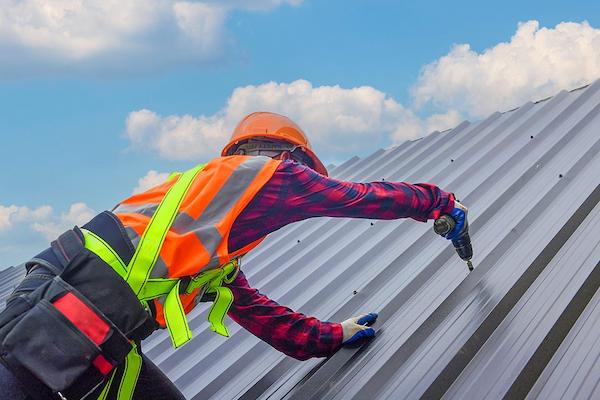
Sealing gaps is a crucial step to prevent leaks in your metal roof. Use a caulking gun to apply waterproof caulk to any visible gaps or seams between panels, around flashing, and at edges. Apply the caulk smoothly and evenly, filling all gaps. This prevents water from seeping through and causing damage.
After applying the caulk, smooth it out with a tool or your finger to ensure it seals the gaps properly. Sealing gaps helps keep your roof watertight and protects your home from moisture and leaks. Check all areas carefully to ensure no gaps are missed.
Paint Touch-Ups
Paint touch-ups are essential to keeping your metal roof looking good and protecting it from rust. When you see scratches or areas where the paint has worn off, use matching paint to cover them. Clean the area first to remove dirt or dust.
Then, use a small brush to apply the paint, covering the exposed spots completely. Let the paint dry according to the instructions on the paint can. Touching up the paint helps prevent rust and keeps your roof looking new and attractive. Check the roof thoroughly to find and fix any scratched or exposed areas.
Cleaning Up Debris
Cleaning up debris is an essential final step in installing your metal roof. Start by removing leftover materials from the roof, such as metal scraps, nails, and packaging. Use a broom to sweep away smaller debris and ensure the surface is clean.
Check the gutters for any bits that can have fallen in and clear them out. Then, clean up the area around your house, picking up any debris that can have fallen to the ground. A clean work area looks nice and ensures nothing is left behind that could cause problems later.
Final Roof Inspection
A final roof inspection is the last step to ensure your metal roof is perfect. Walk around the roof and check all the panels, screws, and flashing to ensure they are secure. Look for any gaps or places where water could leak in. Use a hose to spray water on the roof and see if there are any leaks.
Make sure the ridge cap and all edges are properly sealed. Check that all fasteners are tight and there are no loose parts. This thorough inspection ensures your roof is secure, watertight, and ready to protect your home.
Safety Precautions
Safety precautions are essential when installing a metal roof to protect you from injuries. This includes wearing safety gear, working with a partner, and being careful with tools and materials. Following safety guidelines helps prevent accidents and ensures the job is done safely and effectively.
Using Safety Gear
Using safety gear is very important when installing a metal roof. Always wear gloves to protect your hands from sharp edges. Goggles are necessary to protect your eyes from dust and small pieces that can fly around. When you’re working high up, use a harness to prevent falls. The harness must be attached to a secure anchor point.
Wearing safety gear helps protect you from injuries and accidents while working. Ensure your safety equipment is in good condition and fits properly before starting the job. Being safe ensures that you can complete your roofing project without getting hurt.
Working With A Partner
Working with a partner is very helpful when installing a metal roof. A partner can assist in handling large metal panels, making lifting and positioning them correctly easier. They can also hold the panels in place while you secure them with screws.
Having a partner adds an extra layer of safety, as they can help catch mistakes and provide support if you lose your balance. Communicating well and working together is essential to ensure the job is done safely and efficiently. Working together with two people can make the roofing process smoother and safer for everyone involved.
Handling Materials Safely
Handling materials safely is essential to avoid cuts and injuries when installing a metal roof. Metal panels have sharp edges that can easily cause cuts, so wear gloves to protect your hands. Move the panels carefully and avoid dragging them to prevent damaging the material and hurting yourself.
Lift with your legs, not your back, to prevent strain. When cutting panels, use the right tools and handle them with care. Be aware of your surroundings to avoid bumping into others or dropping panels. Following these tips helps keep you safe and ensures the job goes smoothly.
Avoiding Roof Damage
When installing a metal roof, it is essential to avoid damage. Walk carefully on the roof to prevent denting or scratching the metal panels. It doesn’t matter whether it’s a metal roof or a clay tile roof. Wear soft-soled shoes to reduce the impact on the panels. Always step on the flat parts of the panels, not the raised ridges, to avoid bending them.
Distribute your weight evenly and move slowly to maintain your balance. Be mindful of where you place your tools to prevent accidental damage. Taking these precautions helps keep the roof in good condition, ensures it looks neat, and lasts a long time.
Knowing Weather Conditions
Knowing weather conditions is essential when installing a metal roof. Choose a day with good weather to avoid hazards like slipping on wet surfaces or strong winds that could make handling panels difficult. Dry, calm weather is best for safety. Check the forecast to ensure no rain or storms are expected.
Working in good weather helps you stay safe and makes the installation process easier. When the weather changes suddenly, stop working and secure all materials. This ensures that you can continue safely when the weather improves. Awareness of weather conditions helps prevent accidents and keeps your roofing project on track.
Common Mistakes To Avoid
Avoiding common mistakes is crucial when installing a metal roof to ensure it lasts and works well. Knowing what errors to watch out for, like incorrect measurements or skipping necessary steps, can prevent problems. This section will help you understand and avoid these mistakes for a successful roofing project.
Incorrect Measurements
Incorrect measurements can cause significant problems when installing a metal roof. Always double-check your measurements before cutting the metal panels. Use a tape measure to get accurate dimensions of your roof. Write down these measurements and measure again to make sure they are correct.
When marking the panels for cutting, use a straight edge to ensure your lines are straight. Cutting panels to the wrong size can lead to gaps, overlaps, or wasted material. Double-checking your measurements ensures that each panel fits perfectly, making the installation smoother and more efficient.
Over-Tightening Screws
Over-tightening screws can damage metal panels on your roof. When you tighten screws too much, they can bend or crack the panels, causing leaks and weakening the roof. Use a screwdriver or drill to tighten the screws just enough to hold the panels securely.
The screws must be snug but not so tight that they deform the metal. Check each screw as you go to ensure it’s properly tightened. Avoiding over-tightening helps keep the roof solid and leak-free, ensuring it lasts a long time and protects your home effectively.
Poor Panel Alignment
Poor panel alignment can cause serious problems like leaks and gaps. To prevent this, ensure each panel is straight and lines up properly with the previous one. Start by carefully aligning the first panel at the roof’s edge. As you add each new panel, check its alignment with a measuring tape or chalk line.
When a panel looks crooked, adjust it before securing it with screws. Frequent checks help ensure the panels fit tightly together, creating a robust and waterproof roof. Properly aligning the panels is vital to a neat, durable, and effective metal roof.
Skipping Underlayment
Skipping underlayment is a big mistake when installing a metal roof. Underlayment acts as an extra barrier that protects your home from moisture. Without it, water can seep under the metal panels, causing leaks and damage. Always install underlayment. This is before placing the metal panels.
Roll it out across the entire roof, overlapping the edges to ensure complete coverage. Secure it with nails or staples. This layer helps keep your roof dry and prevents mold and rot. Installing underlayment is crucial to ensure your roof lasts long and keeps your home safe from moisture problems.
Ignoring Ventilation
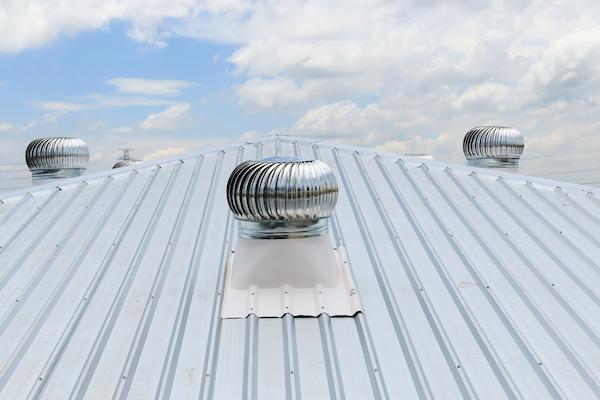
Ignoring ventilation can harm your roof and home. Proper ventilation allows air to flow, preventing moisture buildup and keeping the roof cool. Without it, heat and moisture can cause damage, such as mold and rot. Plan where vents will go before installing the metal panels.
Familiar places for vents are at the roof’s ridge and eaves. Make sure to install them correctly according to manufacturer instructions. This helps air move in and out freely, maintaining a healthy roof. Proper ventilation is essential for the longevity and effectiveness of your metal roof, ensuring it stays strong and durable.
FAQs
How Do You Ensure The Metal Roofing Is Aligned Correctly?
To ensure the metal roofing is aligned correctly, align the first panel at the roof’s edge. Use a chalk line or measuring tape to check straightness. As you add each panel, verify alignment with the previous ones. Adjust as needed before securing with screws to maintain a neat, watertight roof.
How Do You Cut Metal Roofing Materials During Installation?
Use tin snips or a metal-cutting saw to cut metal roofing materials during installation. First, measure and mark the cutting line on the panel. Then, carefully cut along the line, ensuring a straight edge. Always wear safety gloves and goggles to protect yourself from sharp edges and flying debris.
How Do You Prevent Leaks When Installing Metal Roofing?
To prevent leaks when installing metal roofing, ensure proper overlap of panels and secure them with screws in the flat areas. Install underlayment for extra moisture protection, and use flashing around edges, chimneys, and skylights. Seal all seams and edges with a waterproof sealant.
Conclusion
Installing metal roofing can be a rewarding project if done correctly. It doesn’t matter whether the metal roofing is installed on a flat roof or a steep one. Start by removing the old roof and inspecting the structure. Measure and cut your panels accurately, and always install underlayment for extra protection.
When placing the metal panels, align them carefully and secure them with screws. Use flashing around edges, chimneys, and skylights to prevent leaks. Seal all edges and gaps to keep water out. Regularly check for proper ventilation to maintain roof health.
By following these steps and paying close attention to details, you can ensure a durable, long-lasting roof for your home. Always prioritize safety by wearing the right gear and working with a partner. Take your time to avoid mistakes. Also, know how to stop condensation on metal roofs. Thus, you’ll have a robust, weatherproof roof that will last many years.