When it comes to protecting your home, the roof over your head is your first line of defense. But the big question remains: Are metal roofs better than asphalt?
Metal roofs offer superior durability, energy efficiency, and a longer lifespan than asphalt shingles. While initially more costly, they provide better resistance to harsh weather and can be more cost-effective in the long run. However, asphalt shingles are more affordable and easier to install.
So, let’s discuss the detailed differences between these two roofing materials and learn how choosing the right roof can make a huge difference!
Key Takeaways
- Durability and Longevity: Metal roofs outlast asphalt, withstanding harsh weather conditions, and lasting up to 50 years or more.
- Weather Resistance: Metal roofs offer superior protection against wind, rain, snow, and fire, reducing the likelihood of damage.
- Energy Efficiency: Reflective metal roofing can reduce cooling costs by 10-25%, making them more energy-efficient than asphalt shingles.
Durability And Lifespan
How long roofs last matters a lot. Let’s examine two types: metal and asphalt.
Metal
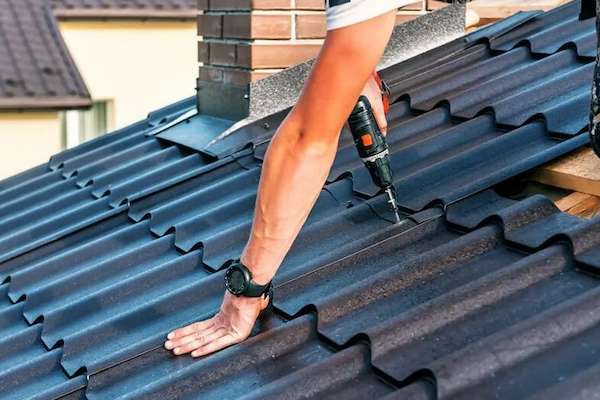
Metal roofs are like superheroes. They are very strong and keep your house safe for a long time. Here are some reasons why:
- Long-lasting: A metal roof can be your friend for 40 to 70 years. That’s a long time! It’s much longer than the time most people spend living in one house.
- Weather Resistant: Metal roofs are tough. They can face big storms, heavy snow, and hot sun without getting hurt. They are like shields against bad weather.
- Low Upkeep: These roofs only ask for a little. They don’t crack, rot, or let bugs in. Once they are up there, you don’t have to worry much about them.
Asphalt
Asphalt roofs are more common, and they have their good points, but they also have some limits:
- Shorter Life: These roofs are like a pair of good shoes. They last about 15 to 20 years, which is okay but shorter than metal roofs.
- Damage from Weather: Asphalt roofs can get upset by very bad weather. Strong winds and big temperature changes can make them crack or break.
- More Repairs: You must fix them more often because they can get damaged more easily. This is like having a car that needs more visits to the mechanic.
Maintenance Comparison
When choosing between metal and asphalt roofs, it’s important to consider how much work it takes to keep them in good shape. Let’s look at the differences:
Metal Roofs: Low Maintenance
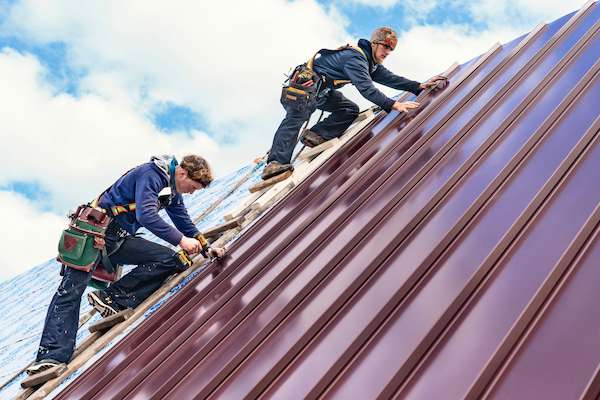
Metal roofs are really strong. Here’s how to maintain them –
- Cleaning is Simple: Metal roofs are known for being easy to clean. When leaves, branches, or other dirt land on them, a quick spray with water is often enough to keep them looking fresh.
- Fewer Repairs: One of the biggest perks of metal roofs is that they only need a few fixes. They are tough and can handle much of what the weather throws at them without breaking or warping.
- Durability Over Time: Metal roofs are champs when it comes to lasting a long time. They can go years without needing any major attention, which means less hassle for you and more savings in the long run.
Asphalt Roofs: Requires Regular Upkeep
Asphalt roofs need more care. The sun, rain, or wind can damage them. The following are ways to maintain them.
- Needs More Cleaning: Asphalt roofs tend to hold onto dirt and debris more than metal roofs. This means you’ll need to climb up and clean them more often to prevent mold and other damage.
- Prone to More Repairs: Asphalt roofs can be damaged more easily unlike metal roofs. Wind, rain, and the hot sun can wear them down, leading to leaks and needing patches or other repairs.
- Shorter Life Expectancy: Asphalt roofs generally don’t last as long as metal ones. You should replace an asphalt roof more often, which can add up costs and effort over time.
Energy Efficiency
When discussing saving energy, we mean using less power to cool or heat our homes. This is where the type of roof you have makes a big difference.
Metal: Reflects Sunlight
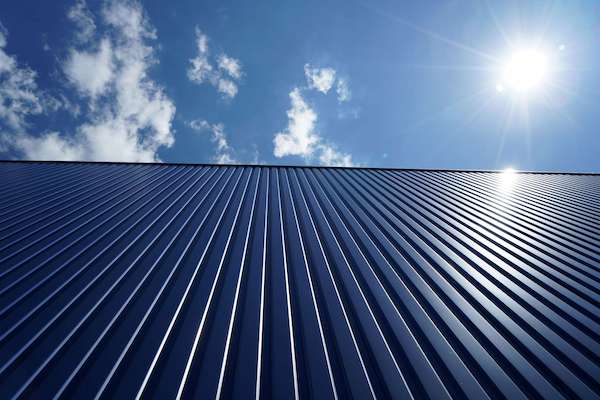
First, let’s talk about metal roofs. Metal roofs are like the cool shades you wear on a sunny day; they reflect the sun’s rays away from your home. Here’s what makes them great:
- Sun Reflection: Metal roofs are shiny and reflect a lot of sunlight. Less sun getting through means it’s cooler inside your house.
- Less Air Conditioning: A cooler interior means you won’t need to run your air conditioner as much. This can lead to big savings on your energy bills, especially during the hot summer months.
- Long-Term Savings: Although metal roofs can be more expensive to install, they can save you money in the long run because they have lower air conditioning costs.
Asphalt: Absorbs More Heat
Asphalt roofs are more common and can be less expensive upfront. However, they have some downsides regarding energy efficiency:
- Heat Absorption: Unlike metal roofs, asphalt roofs absorb much heat from the sun. This can make your attic and the rest of your home much warmer.
- Increased Cooling Needs: Asphalt roofs make your house hotter unlike metal roofs, so you can be cranking up the air conditioning. This means higher energy bills during the summer months.
- More Frequent Replacement: Asphalt roofs usually last less than metal roofs. So, while you can save money at the start, you could spend more over time.
Installation Costs
When choosing between metal and asphalt roofs, consider how much money you want to spend at the start.
Metal: Higher Upfront Cost
Metal roofs typically come with a higher upfront cost than asphalt shingles. Here’s a breakdown of the factors contributing to this:
- Material cost: Metal is more expensive than asphalt. The cost per square foot depends on the chosen metal type, such as aluminum, steel, or copper. It ranges from $4 to $30, compared to $1 to $2 for asphalt shingles.
- Labor cost: Due to the material’s nature, installing metal roofs requires specialized skills and expertise. This labor often leads to higher installation costs per square foot. Asphalt shingles have lower costs. A wider range of roofers installs them.
- Complexity of installation: Metal roofs often require more intricate installation than asphalt shingles. Roof pitch, design features, and flashing requirements are some factors. They can increase labor costs for metal roofs.
Asphalt: Lower Initial Expense
Asphalt shingles cost much less to install than metal roofs.
- Material cost: Asphalt shingles are much less expensive. They are budget-friendly materials, typically costing less than half the metal price per square foot.
- Labor cost: Installing asphalt shingles is faster and simpler. It requires fewer specialized skills than metal roofs, lowering labor costs.
Aesthetics And Styles
The roof’s visual appeal significantly affects your home’s overall aesthetic. Here’s a comparison of the aesthetic options of metal and asphalt roofs:
Metal: Modern, Various Styles
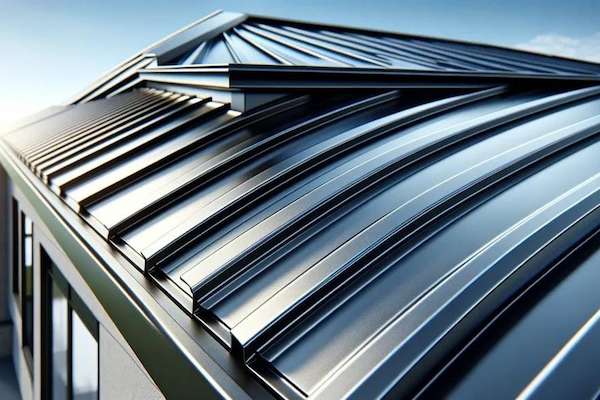
Metal roofs look sleek and modern. They are linked with modern architecture. They come in more styles and finishes than asphalt shingles. You can use them to achieve a unique look for your home. Here are some key points to consider:
- Styles: Metal roofs come in various styles, including standing seam, panels, shingles, and tiles. Each style has a distinct look. You can match it to your preferred aesthetic.
- Finishes: Metal roofs come in a wider palette of finishes than asphalt shingles. These include natural metal tones, painted colors, and textured finishes. This wider palette allows for greater design flexibility and customization.
Asphalt: Traditional Look, Colors
Asphalt shingles offer a traditional look. They are linked to classic architectural styles. They are less diverse in style than metal roofs. But they come in many colors to match your home’s outside. Here’s a breakdown of their aesthetic features:
- Styles: Asphalt shingles primarily come in a single style, the familiar three-tab shingle. However, some manufacturers offer architectural shingles. They mimic the look of other materials like slate or wood shake.
- Colors: Asphalt shingles come in many colors. You can choose a shade that matches your home’s style. It should match the home’s siding, trim, and style. However, the color options are usually limited to solid colors. They offer a different visual variety than metal finishes.
Weight Considerations: Metal Vs. Asphalt Roofs
The weight of your roof is crucial, especially for existing structures. Here’s a comparison of the weight differences between metal and asphalt roofs:
Metal: Lightweight
Metal roofs are surprisingly lightweight, typically weighing between 1 and 3 pounds per square foot. This is due to the thin metal sheets used in most metal roofing systems.
Here are some benefits of the lighter weight of metal roofs:
- Reduced stress on the roof structure: Metal roofs weigh less. They stress your home’s trusses and support less than heavier roofing does. This can be especially important for older homes. They may have weaker roofs.
- Potential for installation over the existing roof: In some cases, metal roofing can be installed over an existing asphalt shingle roof. This eliminates the need for costly tear-off and disposal of the old shingles. But this is only possible if the current roof can handle the extra weight.
Asphalt: Heavier, May Need Support
Asphalt shingles are heavier than metal roofs. They usually weigh 2 to 5 pounds per square foot. While this weight is manageable for most homes, it’s important to consider:
- Structural capacity: You must ensure your roof is strong. It must support the weight of asphalt shingles. Consult a structural engineer when you want to maintain the structure’s capacity. Do this before installation.
- Replacement considerations: The new shingles may add weight when replacing an asphalt shingle roof. This requires reinforcing the roof before installing them.
Environmental Impact
The environmental impact of roofing materials is an increasingly important consideration for homeowners. Here’s a comparison of the environmental footprint of metal and asphalt roofs:
Metal Roofs: Recyclable
Metal roofs offer a significant environmental advantage due to their high recyclability. Metal roofing materials can be recycled many times at the end of their lifespan. There is minimal loss of quality. This reduces their environmental impact.
Here are some key benefits of metal roofing’s recyclability:
- Reduced reliance on virgin materials: Recycling metal roofs conserves natural resources. It reduces the need to mine for new materials to build roofs.
- Lowered landfill waste: Metal roofs divert a lot of waste from landfills. This contrasts with asphalt shingles, which usually end up in landfills after they wear out.
Asphalt: Non-Biodegradable
Asphalt shingles are mostly made of non-biodegradable materials, like asphalt and fiberglass. This means they decompose very slowly in landfills. Some places have asphalt shingle recycling programs, but they are rare. Most asphalt shingles still end up in landfills, adding to environmental concerns.
Here are some potential environmental drawbacks of asphalt shingles:
- Landfill contribution: Most asphalt shingles end up in landfills. They take up space and may leak harmful chemicals into the environment over time.
- Limited resource recovery: Currently, it’s harder to recycle asphalt shingles than metal roofs. This increases these materials’ environmental impact.
Weather Resistance: Metal vs. Asphalt Roofs
The ability to withstand various weather conditions is crucial for any roofing material. Here’s a comparison of how metal and asphalt roofs fare against different weather elements:
Metal: Resistant To Extremes
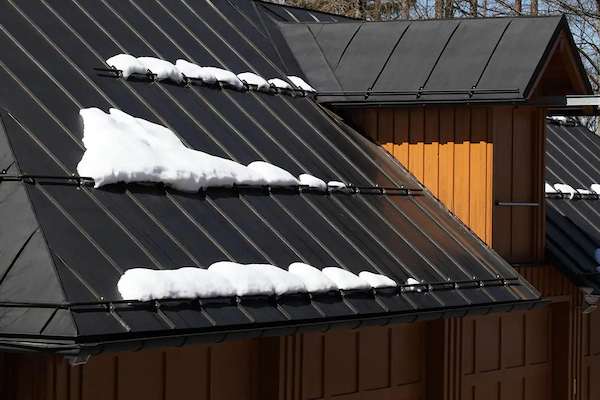
Metal roofs are tough. They can handle many kinds of weather. They have many advantages:
- Durability: Metal is strong. It can withstand wind, hail, and snow without much damage, which means a longer lifespan. And it may need fewer repairs than asphalt shingles.
- Fire resistance: Metal roofs are not flammable. They are safer in areas prone to wildfires or with strict fire safety rules.
- Resistance to other elements: Metal roofs also resist UV rays. They prevent color fading and damage over time. They are also less susceptible to insect and animal damage. This is compared to some other roofing materials.
Asphalt: Vulnerable, May Require Repairs
Asphalt shingles are more susceptible to damage from weather elements:
- Wind: Strong winds can rip off asphalt shingles. This is especially true if they are not installed correctly or are nearing the end of their life.
- Hail: Hailstones can easily damage asphalt shingles, causing punctures, cracks, and granule loss.
- Snow: Heavy snowfall can stress the roof. This stress can cause leaks or structural issues. This is especially true if the roof needs to be properly designed for snow.
Choosing The Right Fit
Selecting the right roof for your home requires careful consideration of various factors. Here’s a guide to help you choose between metal and asphalt roofs. It will help you with the decision-making process.
Consider Specific Needs
Think about your home’s needs. Here’s what you need to consider before installing a roof.
- Climate: Metal roofs are generally more resistant to extreme weather conditions like hail, wind, and snow. They can be more suitable if you live in an area prone to harsh weather.
- Longevity: Metal roofs usually last 2-3 times longer than asphalt shingles. They need replacement less often. Once you prioritize a long-term solution, metal roofs can be a better investment.
- Maintenance: Metal roofs need little maintenance. This is unlike asphalt shingles, which need repairs or replacements. This is because shingles wear out over time. Consider your comfort level with ongoing maintenance needs.
Evaluate Budget And Preferences:
Look at your budget. Can you afford the higher upfront cost of a metal roof, knowing it may save money in the long term?
- Initial cost: Asphalt shingles are significantly cheaper to install upfront than metal roofs. However, consider the potential cost savings of metal roofs over time. This is due to their longer lifespan and lower maintenance needs.
- Aesthetics: Metal roofs offer more styles and finishes, allowing for a modern and custom look. Asphalt shingles provide a traditional aesthetic with a wider range of color options. Choose the option that best compliments your home’s style and personal preferences.
- Environmental impact: Metal roofs are the more sustainable choice when you prioritize the environment. This is because they are highly recyclable.
FAQs
1. Are Metal Roofs More Durable Than Asphalt Shingles?
Yes, metal roofs are more durable than asphalt shingles. Metal roofing can withstand extreme weather conditions and has a 40-70 years lifespan, compared to 15-30 years for asphalt shingles. Additionally, metal roofs offer better fire resistance and can improve energy efficiency in your home.
2. Do Metal Roofs Require Less Maintenance Compared To Asphalt Shingles?
Yes, metal roofs require less maintenance compared to asphalt shingles. Metal roofing is more durable, withstands harsh weather better, and is less prone to damage and decay. While asphalt shingles may need regular inspections and repairs, metal roofs typically only require occasional cleaning.
3. Are Metal Roofs More Expensive To Install Upfront?
Metal roofs are typically more expensive to install upfront than traditional asphalt shingles. The higher cost reflects their durability, longevity, and energy efficiency. However, due to their long lifespan and minimal maintenance requirements, metal roofs can offer significant savings over time.
4. Are Metal Roofs Generally Lighter Than Asphalt Shingles?
Yes, metal roofs are lighter than asphalt shingles. Metal roofing materials, such as aluminum or steel, weigh significantly less than traditional asphalt shingles. This lighter weight can reduce strain on your home’s structure, potentially leading to easier and faster installation processes.
Conclusion
Choosing the right roof is a big decision. Think about what matters most for your home. Metal roofs last a long time and stand up well against bad weather. They cost more at first but can save money later. Asphalt roofs cost less to start but only last briefly.
Think about how you want your house to look and how much you can spend. Whether you pick metal or asphalt, ensure it fits what you need and like. Your perfect roof is out there!