
Choosing the right fence is a game-changer for your property. Various types of metal fencing offer unique benefits, from enhancing security to boosting curb appeal.
Types of metal fencing vary to suit diverse needs. Wrought iron is strong and timeless, while aluminum provides a light, rust-resistant choice. Chain-link is affordable and durable, and steel offers robust security and durability. Each type has unique advantages for different requirements.
In this guide, we delve into the details of each metal fencing type. We’ll explore their characteristics, maintenance needs, and suitability for different environments.
Types Of Metal Fencing
Aluminum Fencing
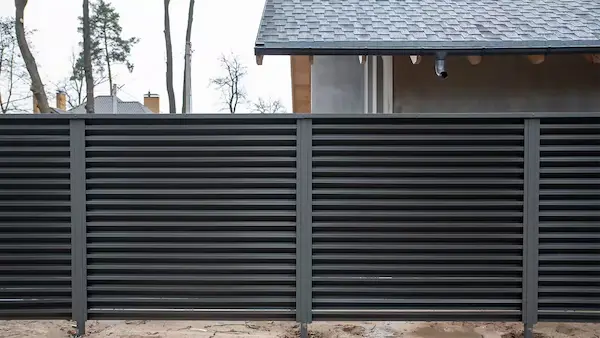
In this section, we’ll explore the different types of metal fencing. We’ll look at their features, benefits, and ideal uses to help you choose the best one for your needs.
Pros And Cons
Here is a quick table summarizing the pros and cons of aluminum fencing.
| Aluminum Fencing | Pros | Cons |
| Durability | Resists weather and rust. | Not as strong as iron. |
| Maintenance | Low; rarely needs repainting. | It requires occasional cleaning. |
| Aesthetics | Various styles and colors. | The style will not suit all home designs. |
| Cost | Long-lasting, good investment. | Higher initial cost than wood or vinyl. |
| Suitability | Great for homes and pool areas. | It will not be ideal for high-security areas. |
Ideal Use Cases:
- For Homes: Especially good for houses, especially in places with lots of rain or near the sea.
- Around Swimming Pools: Great for pool areas because it’s strong and you can see through it.
Steel Fencing
Pros And Cons
Here is a quick table summarizing the pros and cons of steel fencing.
| Aspect | (Pros) | (Cons) |
| Staying Strong | Strong and doesn’t break easily. | It can rust if you don’t look after it. |
| Keeping Safe | Great for keeping places very safe. | Heavy and a bit hard to put up. |
| Looking After It | Doesn’t need much work to stay good. | Needs special care to stop rust. |
| How It Looks | It is made to look nice in different ways. | It will not match every house’s style. |
| Cost | Good for a long time, so it is worth the money. | It costs more at the beginning than others. |
Ideal Use Cases For Steel Fencing:
- Big Stores and Factories: Good where you need strong fences, like in big shops or factories.
- Homes Needing Extra Safety: Perfect for houses that want strong protection.
- Decorative in Gardens or Parks: You can use it to make outdoor places look nice.
- Busy Public Places: Great for areas with many people because it’s tough and lasts a long time.
Chain Link Fencing
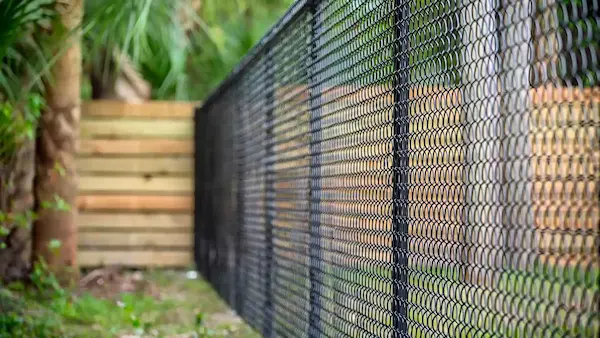
Description And Characteristics:
- Made of interlocked steel wires forming a diamond pattern.
- Usually coated with zinc to prevent rust.
- Strong, flexible, and see-through.
- Comes in different heights and thicknesses.
- It is often used with posts and rails for support.
Pros And Cons
Here is a quick table summarizing the pros and cons of link fencing:
| Aspect | Pros | Cons |
| Cost | It is less expensive than many other fencing types. | It’s not as stylish as some other fence types. |
| Installation | Easy to install and set up. | It will be cut through more easily than solid fences. |
| Maintenance | Low maintenance; only needs a little care. | It can rust if the coating wears off. |
| Visibility | See-through doesn’t block views. | Provides less privacy than solid fences. |
| Durability | Strong and lasts long if maintained well. | It’s not as strong as solid metal or wood fences. |
Ideal Use Cases For Chain Link Fencing:
- Home Yards and Gardens: Good for marking boundaries without blocking views.
- Playgrounds and Parks: Offers safety without hiding the area.
- Industrial Sites: Great for securing large areas cost-effectively.
- Animal Enclosures: Suitable for keeping pets like dogs.
Wrought Iron Fencing
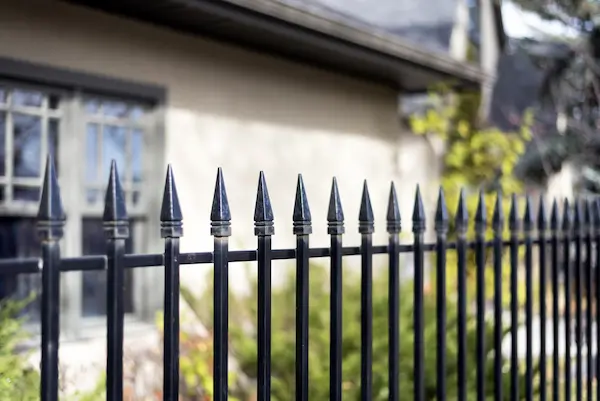
Description And Characteristics:
- Made from iron that is heated and then shaped.
- Known for its strong, durable nature.
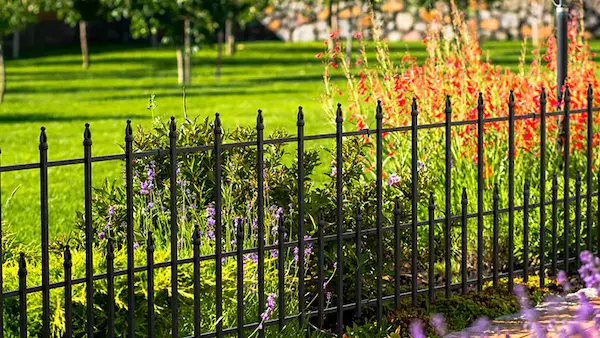
- Often features intricate, decorative designs.
- Usually black, but it is painted in other colors.
- Commonly used in historical and high-end properties.
Pros And Cons Of Wrought Iron Fencing:
Here is a quick table summarizing the pros and cons of wrought iron fencing:
| Aspect | Pros | Cons |
| Durability | Very strong and long-lasting. | It can rust if not maintained properly. |
| Security | Provides high security due to its strength. | Heavier and more complex to install. |
| Aesthetics | Offers a classic, elegant look. | Often more expensive than other types. |
| Customization | It is designed with unique patterns. | Custom designs can increase the cost. |
| Maintenance | Requires occasional maintenance to prevent rust. | Regular painting or treatment is needed for rust prevention. |
Ideal Use Cases For Wrought Iron Fencing:
- Historic or Luxury Homes: Ideal for properties where style is as important as security.
- Gardens and Parks: Perfect for areas that need an elegant touch.
- High-Security Areas: Suitable for places that need strong, durable barriers.
- Decorative Boundaries: Great for making a statement or adding character to a property.
Wire Fencing
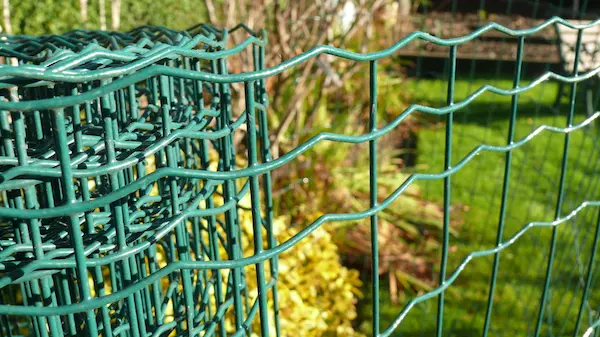
Description And Characteristics:
- Made from woven or welded wire strands.
- Available in different gauges (thicknesses) and mesh sizes.
- Often galvanized or coated for rust resistance.
- Provides visibility while creating a barrier.
- Commonly used in agricultural, residential, and industrial settings.
Pros And Cons Of Wire Fencing:
Here is a quick table summarizing the pros and cons of wire fencing:
| Aspect | Pros | Cons |
|---|---|---|
| Cost | Generally affordable compared to other types. | It will not be as aesthetically pleasing. |
| Installation | Relatively easy to install. | It requires proper tensioning to be effective. |
| Maintenance | Low maintenance, especially if galvanized. | It will be damaged by heavy impact or animals. |
| Versatility | Suitable for various applications. | Offers less privacy and security than solid fences. |
| Durability | Durable if maintained, especially in mild climates. | It is not as long-lasting as solid metal fences in harsh environments. |
Ideal Use Cases For Wire Fencing:
- Agricultural Use: Great for enclosing livestock or marking property boundaries in rural areas. Wire fencing is built with metal posts.
- Residential Gardens: Useful for keeping pets and wildlife out of home gardens.
- Industrial Sites: Appropriate for securing large industrial or construction areas cost-effectively.
- Temporary Barriers: Ideal for temporary enclosures or during events for crowd control.
Expanded Metal Fencing
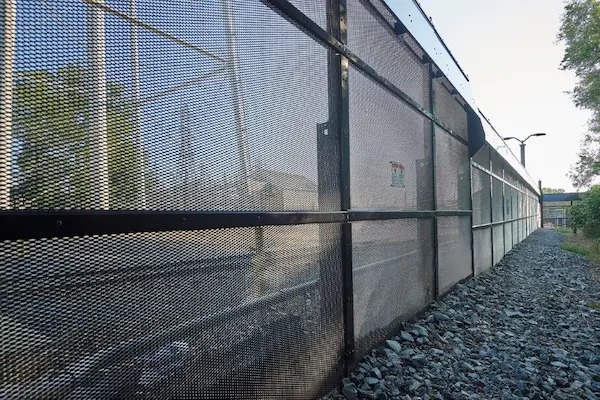
Description And Characteristics:
- Made by stretching metal to make a mesh with diamond shapes.
- It is very strong and lets air and some light through.
- It is hard for people to climb or cut through.
- Usually used for keeping places safe or in big factories.
Pros And Cons Of Expanded Metal Fencing:
| Aspect | Pros | Cons |
| Strength | Strong and hard to break. | It costs more money than simple fences. |
| Seeing Through | You can see through it a bit. | Doesn’t hide things completely. |
| Lasting Long | Stays good for a long time in all weathers. | Heavy, needs strong poles to hold it up. |
| Keeping Safe | Very good for keeping places safe. | It looks more for factories, less pretty. |
| Easy Care | Only needs a little looking after. | It must be put up right to work best. |
Ideal Use Cases For Expanded Metal Fencing:
- Places Needing Lots of Safety: Best for areas that need to be secure, like important buildings.
- Big Businesses and Factories: Good for places that make or store things.
- Parks and Fun Places: Works well where you need to see inside and keep it safe.
- Modern Buildings: Used in new, cool building designs for safety and style.
Considerations For Choosing Metal Fencing
Durability And Maintenance Requirements
Metal fencing is known for its strength and longevity. It’s essential to consider how long the fence will last and what maintenance it will need.
Some metals resist rust and corrosion better than others, affecting how much care and upkeep the fence will require over time.
Aesthetic Considerations
The look of your fence is important as it adds to the overall appearance of your property. Metal fencing comes in various styles and designs.
You should choose one that complements your home’s architecture and your personal style preferences.
Security Features
Security is a key reason for installing metal fencing. Different types of metal fences offer varying levels of security.
Consider features like height, the spacing between bars, and the addition of spikes or pointed tops to deter intruders.
Cost Analysis And Budgeting
The cost of metal fencing can vary widely based on the material, design, and size. It’s important to set a budget and compare the costs of different fencing options.
Also, consider the long-term costs, including maintenance and potential repairs, to make a cost-effective choice.
FAQs
What Is The Best Type Of Metal Fencing?
The best type of metal fencing is aluminum. It’s durable, rust-resistant, and requires minimal maintenance. Unlike iron, aluminum doesn’t rust easily, making it ideal for various climates. It’s also lightweight, which simplifies installation.
Additionally, aluminum fencing offers a classic look that mimics more expensive metals.
What Is The Most Common Type Of Metal Fence?
The most common type of metal fence is chain-link. Widely used due to its affordability and durability, chain-link fencing is a practical choice for both residential and commercial properties.
This type of fence is a go-to option for those needing a functional, cost-effective boundary solution.
What Is The Strongest Metal Fence?
The strongest metal fence is wrought iron. Known for its robustness and longevity, wrought iron fencing withstands harsh conditions and impacts, making it ideal for high-security areas.
Its strength doesn’t compromise its aesthetic appeal, often featuring intricate designs. It is durable, classic, and elegant.
Conclusion
When choosing a metal fence, key factors include cost, durability, design, and security needs. Wrought iron offers elegant, ornate styling but requires more maintenance.
Aluminum provides modern aesthetics at a lower price point. Steel is the strongest and most secure option.
Chain link fencing is affordable and highly durable. Analyze your priorities to select the ideal metal fence type for your space because it’s better than wood or other types.


