Building a 3 rail wood fence is a fantastic project for enhancing your property’s aesthetics and functionality. This type of fence is not only visually appealing but also sturdy and practical, making it a popular choice for many homeowners. Understanding how to build a 3 rail wood fence is key to creating a lasting and effective boundary for your yard or farm.
To build a 3 rail wood fence, you’ll need to plan the layout, select the right materials, and understand the process of setting posts, attaching rails, and ensuring stability. This involves measuring your area, choosing durable wood, and using the right tools for construction.
In the following sections, we’ll provide a step-by-step guide on how to build a 3 rail wood fence.
KEY Takeaways
- Planning Your Fence: Measure your space and plan the layout to ensure a balanced and functional fence design.
- Selecting Materials: Choose durable wood like cedar or redwood and quality hardware for a long-lasting fence.
- Construction Steps: Learn to set posts correctly, attach rails evenly, and apply finishes for a sturdy and attractive fence
Planning and Preparation

Before embarking on the construction of a 3-rail wood fence, careful planning and preparation are essential. Here are some key things to remember:
Fence Layout and Measurements
Start by determining the perimeter of the fence and marking the desired layout. Measure the length of each fence section and plan the positioning of corner posts. And then decide on the spacing between intermediate posts.
Accurate measurements are vital to ensure a symmetrical and properly aligned fence.
Acquiring Materials and Tools
Once the fence layout is finalized, gather all the materials and tools required for the project. Purchase pressure-treated lumber or cedar wood for the posts, rails, and pickets, as well as concrete mix or gravel for securing the posts.
Collect the necessary tools, such as a post-hole digger, level, measuring tape, circular saw or handsaw, and nails or screws.
Checking Local Regulations and Permits
Before proceeding, check with local authorities. Thus, you can understand the building codes, height restrictions, and any permits needed for constructing a wood fence.
Compliance with these regulations is crucial to avoid potential issues later on.
Fence Construction
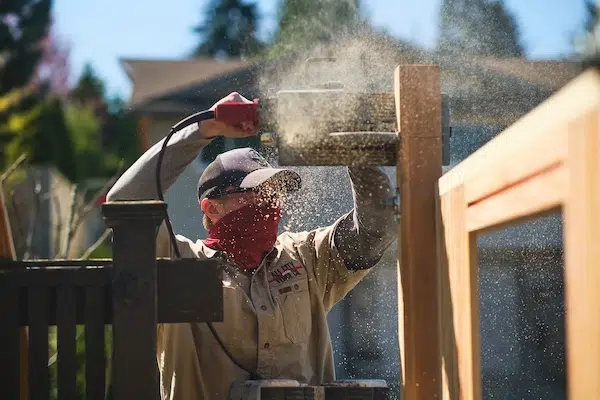
It’s time to dive into the fence construction process. We’ll walk through the step-by-step procedures. Read on.
Setting the Corner Posts
First, begin by setting the corner posts in the ground at the designated locations. Dig appropriate holes, insert the posts, and ensure they are plumb and level. Sturdy corner posts serve as the foundation for a robust and durable fence.
Installing the Rails
Next, attach the horizontal rails to the corner posts at the predetermined height. The middle rail should be placed equidistant between the top and bottom rails for a 3-rail fence. Using a level is essential to ensure a straight and uniform installation.
Attaching the Intermediate Posts
Attaching intermediate posts along your fence line is a crucial step after you’ve secured the corner posts and rails. These posts, evenly spaced between the corner posts, play a vital role in maintaining the integrity and stability of the fence. They provide additional support to the rails, ensuring they remain level and do not sag over time, which is particularly important for longer stretches of fencing.
Securing the Rails to Posts
Once all the posts are securely in place, the next step is to attach the rails. This process is crucial for the stability and appearance of your fence. Use either galvanized nails or screws to attach the rails to each post. The choice between nails and screws often depends on the specific requirements of your fence design and personal preference. Screws generally provide a stronger hold and are easier to replace or repair if needed, while nails can be quicker to install.
Adding Optional Post Caps
After the rails are attached, you might consider adding post caps for a decorative touch and additional protection. Post caps are placed on the top of each fence post and serve several purposes. Firstly, they add a decorative element, enhancing the overall aesthetic of your fence. They come in a variety of designs and materials, such as wood, metal, or even solar-powered LED lights, allowing you to choose something that complements the style of your property.
Finishing Touches
In this section, we’ll explore the final steps to complete your fencing project. These finishing touches not only enhance the aesthetic appeal of your fence but also ensure its durability and longevity.
Painting or Staining
Once your fence is fully constructed, consider painting or staining it to protect the wood and complement your property’s style. Choose a paint or stain that is suitable for outdoor use and specifically formulated for the type of wood your fence is made from. This step is crucial for protecting the wood from the elements and preventing rot or decay.
Apply the paint or stain evenly, following the manufacturer’s instructions, and allow it to dry completely. Remember, regular maintenance, including reapplying paint or stain every few years, will keep your fence looking great and prolong its life.
Sealing
In addition to painting or staining, applying a sealant can further protect the wood from moisture, UV rays, and pests. A good quality sealant will penetrate the wood and provide a protective barrier. This is especially important in climates with extreme weather conditions. Apply the sealant according to the manufacturer’s instructions, and ensure that all surfaces of the wood, including edges and ends, are covered.
Installing Fence Accessories
Finally, you might want to add accessories to your fence for functionality and decorative purposes. This can include items like gate latches, hinges, and decorative hardware. Choose accessories that match the style of your fence and ensure they are suitable for outdoor use. When installing, make sure they are securely attached and function properly.
Regular Maintenance Checks
Regularly inspect your fence for any signs of damage or wear. Look for issues like loose nails or screws, chipped paint or stain, wood rot, or rust on metal components. Addressing these issues promptly will prevent more significant problems down the line and keep your fence in top condition for years to come.

Maintenance and Care
Maintaining and caring for your fence is essential to ensure its longevity and keep it looking its best. Regular maintenance can prevent common problems like wood rot, rust on metal components, and general wear and tear.
Cleaning the Fence
Regular cleaning is crucial to maintain the appearance and integrity of your fence. For cleaning wooden fences, use a mild detergent and water to remove dirt and mildew. For metal fences, a gentle soap solution can be used to prevent rust and corrosion. Avoid using harsh chemicals or pressure washing at high settings, which can damage the fence material.
Inspecting for Damage
Periodically inspect your fence for any signs of damage. Look for loose or missing boards, nails, or screws in wooden fences, and check for rust or loose components in metal fences. Early detection of these issues allows for timely repairs, preventing more significant problems in the future.
Repairing Damage
If you find any damage, repair it as soon as possible. For wooden fences, replace rotting or broken boards and secure any loose nails or screws. For metal fences, treat rust spots and tighten any loose parts. Regular repairs will keep your fence strong and functional.
Reapplying Paint or Stain
If your fence is painted or stained, reapply these treatments every few years. This not only keeps your fence looking fresh but also provides a protective layer against moisture, UV rays, and insects. Always use products suitable for outdoor use and specific to your fence material.

FAQs
1. What are the Essential Steps to Build a 3 Rail Wood Fence?
Plan the fence, mark the line, dig the post holes, set the posts, attach the rails, add the top rail, and finish it. Use pressure-treated wood, galvanized nails, or screws, and space the rails evenly. By following these steps, you can build a 3-rail wood fence.
2. What Tools are Needed for Constructing a Wood Fence?
Post-hole digger, post-pounder, tape measure, string line, level, shovel, hammer, nails or screws, sander, stain, or paint. Use appropriate tools for the size and type of fence you are building. Make sure that the tools are in good working order.
3. How can I Maintain and Care for a 3 Rail Wood Fence?
To keep your 3-rail wood fence looking its best for years to come, you should inspect it regularly for any signs of damage. Repair any damage as soon as possible, and stain or paint the fence every few years.
How To Build a 3 Rail Wood Fence: Conclusion
Building a 3 rail wood fence is a rewarding project that not only enhances the beauty of your property but also provides privacy and security. Throughout the process, from setting the corner and intermediate posts to securing the rails to adding the finishing touches like paint, stain, or sealant, you have the opportunity to create something both practical and aesthetically pleasing. Each step, whether it’s choosing the right materials, ensuring the posts are level, or maintaining the fence, contributes to the overall success and longevity of your fence.