Split rail fences are a timeless classic, adding both beauty and function to landscapes. They have a rich history and a variety of styles, each with its own unique character.
Split rail fences come in different types, including the traditional two-rail, the more secure three-rail, and the decorative stacked style. Each type has its advantages. The two-rail type is perfect for marking boundaries, while the three-rail offers added security and strength.
In the following sections, we will delve deeper into each type of split rail fence. You’ll learn about their specific features, ideal uses, and tips for choosing the right style for your property.
KEY Takeaways
- Styles Variability: Split rail fences range from traditional two-rail designs to more complex three or four-rail systems, offering versatility in appearance.
- Material Choices: Commonly made from wood like cedar or pine, split rail fences can also be found in vinyl for longer-lasting, maintenance-free options.
- Functional and Decorative: Besides marking boundaries and securing animals, these fences add a charming, country-style aesthetic to any landscape.
The Benefits Of Split Rail Fences
In this section, we’ll explore the various benefits of split rail fences, delving into aspects such as aesthetics, cost-effectiveness, and ease of installation.
Aesthetic Appeal
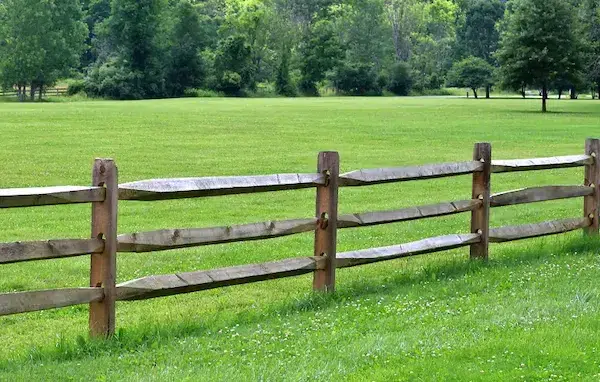
One of the primary benefits of split rail fences is their aesthetic appeal. These fences offer a classic, timeless look that can enhance the natural beauty of any property. They are particularly popular in rural settings, but their simplicity and elegance have also made them a favored choice in suburban areas. The natural wood construction of split rail fences blends seamlessly with outdoor environments, making them a perfect choice for those who want to add a touch of rustic charm to their landscape.
Cost-Effectiveness
Another significant advantage of split rail fences is their cost-effectiveness. Compared to other types of fencing, split rail fences are relatively inexpensive. This is partly because they require fewer materials and the construction process is less complex. The design of a split rail fence is simple and straightforward, which reduces labor costs and makes them an affordable option for enclosing large areas.
Ease of Installation
The installation process for split rail fences is straightforward and can often be completed by homeowners themselves. The design of these fences is simple, which means that they don’t require complex tools or specialized skills to install. This do-it-yourself aspect not only saves on installation costs but also provides a sense of accomplishment for homeowners who choose to build their own fences.
Durability and Low Maintenance
Split rail fences are known for their durability and low maintenance requirements. Made from high-quality wood, these fences can withstand harsh weather conditions and are resistant to decay and insect damage. Additionally, they require minimal upkeep. An occasional inspection and basic cleaning are usually sufficient to keep them in good condition for years.
Factors To Consider
When considering the installation of a split rail fence, several factors should be taken into account to ensure that the fence meets your needs and preferences effectively. Here are some key factors to consider:
Location and Purpose
- Property Layout: Evaluate the terrain of your property. Split rail fences are adaptable to various landscapes, but understanding the contours of your land is essential for planning.
- Purpose: Determine the primary purpose of the fence. Is it for aesthetic appeal, marking property boundaries, containing livestock, or providing a barrier for pets and children? The purpose will influence the design and construction of the fence.
Material Quality and Type
- Wood Type: The appearance and durability of your wood fence depend significantly on the type of wood used. Common choices include cedar, pine, and spruce, each with its own pros and cons in terms of longevity, resistance to rot, and cost.
- Treatment: Consider whether the wood is treated or untreated. Treated wood offers more resistance to weather and insects but may have environmental implications.
Design Considerations
- Number of Rails: The traditional design includes two or three rails. The choice affects both the appearance and the functionality of the fence.
- Height: The height of the fence should correspond with its intended purpose. Higher fences might be necessary for privacy or to contain larger animals.
Traditional Split Rail Fence
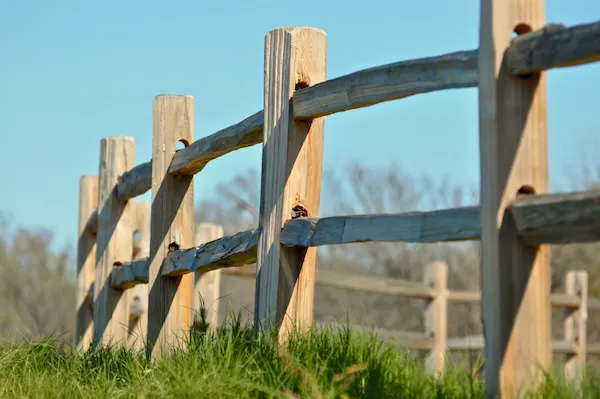
A traditional split rail fence is a type of fence that is often associated with a rustic, country aesthetic. Here are some key features and aspects of a traditional split rail fence:
Construction and Design
- Rails: The fence is made up of long, rough-hewn beams, known as rails, that are typically made from wood. The rails are split lengthwise, usually in a triangular or rectangular shape.
- Posts: The rails are inserted into holes in sturdy fence posts. These posts are typically made of the same material as the rails and are spaced at regular intervals along the fence line.
- No Hardware: Traditional split rail fences usually do not use nails or other hardware. The rails are simply fitted into the posts, which have two or three holes to accommodate the ends of the rails.
Materials
- Wood Type: Common wood choices for split rail fences include cedar, pine, locust, and spruce. Cedar is particularly valued for its resistance to rot and insects.
- Natural Look: The wood is often left untreated to maintain a natural, rustic look, though it can be stained or painted for preservation and aesthetic purposes.
Historical and Cultural Significance
- Early American History: Split rail fences are often associated with early American history, particularly in rural areas. They were among the earliest types of fencing used by settlers due to their simple construction and the availability of wood.
- Cultural Symbol: The fence has become a symbol of Americana, representing simplicity, ruggedness, and the pioneering spirit.
Rustic Log Rail Fence
In this section, we delve into the rustic charm and practicality of constructing a log rail fence. Favored for their natural aesthetic and robustness, these fences not only serve as sturdy barriers.
Choosing the Right Logs
The foundation of a great rustic log rail fence lies in selecting the appropriate logs. Opt for durable wood types like cedar, pine, or oak, known for their resistance to rot and pests. The logs should be uniform in size and shape to ensure a harmonious and structured look. This step is crucial for ensuring the longevity and aesthetic appeal of your fence.
Designing Your Fence
Designing your fence is a creative process where you decide on the number of rails, their spacing, and the overall layout. Traditional rustic fences often feature two or three horizontal rails, but the design can vary according to personal preference and the specific needs of your property. Accurately mark the positions for your posts, keeping a standard distance of 6 to 8 feet between each, to achieve a balanced and sturdy construction.
Preparing the Posts
The posts form the backbone of your fence, and preparing them correctly is essential. Determine the desired height of your fence, and cut the posts accordingly. Remember to account for the part of the post that will be buried underground for stability. A typical fence stands 4 to 5 feet above the ground, but this can be adjusted based on your requirements.
Installing the Posts
The installation of posts is a critical step that dictates the strength of the entire structure. Dig holes for your posts, each about 2 feet deep, to ensure a firm foundation. Place the posts in the holes and secure them with either concrete or compacted soil. It’s important to verify that they are perfectly upright and evenly spaced for both aesthetic and structural integrity.
Attaching the Rails
Once the posts are securely in place, it’s time to attach the rails. Measure and cut the rails to fit snugly between the posts. You can either notch the posts and rails for a more integrated fit or directly nail or screw the rails to the posts. This step requires precision to maintain the rustic yet refined look of the fence.
Finishing Touches
Applying a protective finish to your fence not only enhances its appearance but also extends its lifespan. Choose a stain or sealant that complements the natural color of the wood and offers protection against the elements. This finishing touch will keep your fence looking pristine and well-maintained for years.
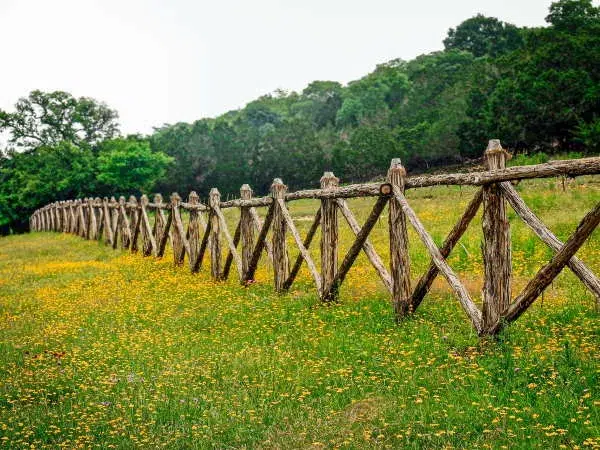
Post and rail fences are versatile and popular fencing options known for their simple yet effective design.
Contemporary Split Rail Fence
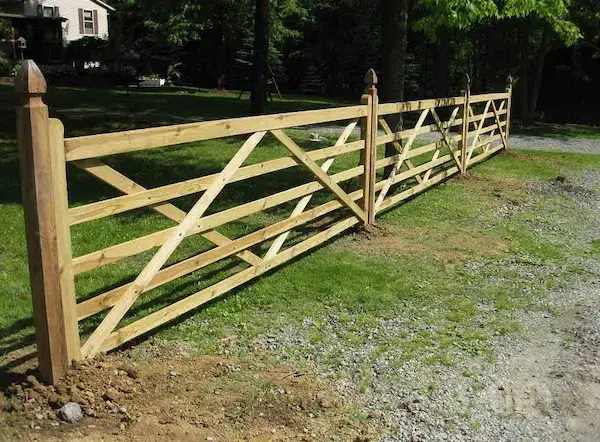
In this section, we will delve into the contemporary design and construction of split rail fences. This timeless style has evolved, blending traditional charm with modern aesthetics and functionality.
Materials and Design
Contemporary split rail fences often use a mix of traditional wood and modern materials like vinyl or metal. The choice of material significantly impacts the fence’s durability, maintenance needs, and overall appearance. Wood options like cedar and pine offer a classic, rustic look and can be treated for enhanced weather resistance. Vinyl, on the other hand, provides a sleek, maintenance-free option available in various colors. Metal rails, though less common, can offer a unique, industrial aesthetic.
Installation Techniques
Installing a contemporary split rail fence involves several key steps. Initially, planning the layout is crucial, taking into account the property boundaries and any slopes in the terrain. Post holes are then dug, usually about two feet deep, and the posts are set in place. The rails are then inserted into the pre-cut slots in the posts. For added stability and durability, concrete can be used to secure the posts, especially in softer soils.
Design Variations
Modern split rail fences offer various design options. The traditional two or three-rail designs are still popular, but contemporary versions may incorporate wire mesh for added security and to keep pets in. The arrangement of rails can also vary, with some fences featuring alternating patterns for a more distinctive look. Additionally, incorporating elements like gates or arbors can add both functionality and aesthetic appeal.
Choosing The Right Split Rail Fence
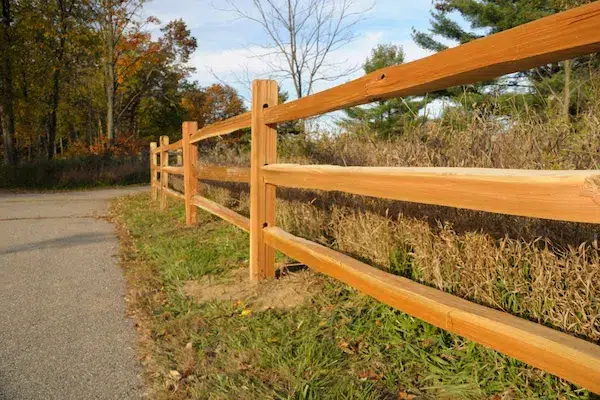
Choosing the right split rail fence for your property can be a rewarding but challenging task. In this section, we’ll explore various aspects to consider, such as material choices, design options, installation tips, and maintenance requirements. By understanding these key elements, you can make an informed decision that enhances the beauty and functionality of your outdoor space.
Material Selection
The first step in choosing a split rail fence is selecting the right material. Wood is a traditional choice, offering a classic, rustic look. Cedar and pine are popular due to their durability and resistance to rot and insects. Alternatively, vinyl split rail fences offer a low-maintenance option with a similar aesthetic to wood but with increased longevity and minimal upkeep requirements.
Design Considerations
When considering the design of your split rail fence, think about the number of rails and the overall height. Traditional split rail fences usually have two or three rails. The number of rails will impact both the fence’s appearance and its functionality, particularly if you need to contain pets or livestock. Additionally, consider the layout of your fence, especially if your property has uneven terrain or special landscaping features.
Installation Tips
Proper installation is crucial for the longevity and stability of your split rail fence. If you’re planning a DIY installation, ensure you have the necessary tools and understand the process, which includes measuring the area, digging post holes, and correctly placing the rails. Hiring a professional installer can be a wise choice if you’re unsure about the process or if your property presents unique challenges.
Maintenance and Upkeep
Finally, consider the maintenance required to keep your split rail fence in good condition. Compared to composite fences or others, wood fences need regular treatment to prevent weathering and decay. These include staining or sealing every few years. Vinyl fences, on the other hand, require minimal maintenance, usually just occasional cleaning with soap and water to keep them looking new.
FAQs
1. What type of fence is split rail?
Split rail fences, characterized by their rustic and simple design, are a distinct type of fencing primarily used for agricultural or decorative purposes. This style of fence is constructed using wooden rails that are split lengthwise, creating a natural, rough-hewn appearance.
2. What are the names of split rail fences?
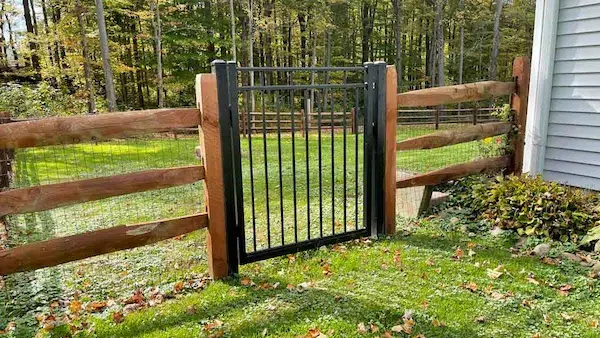
Split rail fences are commonly known by a few different names. The most frequently used names for split rail fences include split rail fences, log fences, and zigzag fences due to the zigzag pattern created by the horizontal rails between the vertical posts.
3. What is the best material for a split rail fence?
The best material for a split rail fence depends on specific needs and preferences. Traditional wood, like cedar, pine, or oak, offers a classic and rustic look but requires regular maintenance. Vinyl fences are durable and low maintenance, while composite materials provide durability and minimal upkeep.
Types Of Split Rail Fence: Final Thought
Split rail fences offer a timeless and rustic charm that adds character and defines boundaries for various properties. From the traditional two-rail design to the more substantial four-rail variation, there are options to suit different needs and preferences.
When choosing a split rail fence, it is crucial to consider factors such as the intended purpose, materials, and property characteristics. By selecting the right type of split rail fence, property owners can create a visually appealing and functional boundary that enhances their landscapes and withstands the test of time.