
Concrete driveways are more than just places to park cars. They welcome guests, boost curb appeal, and take on weather challenges. Many homeowners value them for their sturdiness and appearance.
Concrete driveways last longer than asphalt, averaging over 30 years. They’re more expensive, costing $8-12 per square foot installed. Concrete is more durable for heavy vehicles but cracks more easily than asphalt in extreme temperatures. Regular sealing helps protect concrete from weather and stains.
So, let’s start and discover the key aspects of concrete driveways that will help you make an informed decision for your home.
KEY Takeaways
- Durability: Concrete driveways last up to 30 years with proper care, offering homeowners a long-term solution.
- Design Flexibility: From stamped patterns to colored finishes, concrete allows diverse design choices to match home aesthetics.
- Low Maintenance: With minimal upkeep, concrete driveways remain sturdy, resisting stains and cracks effectively.
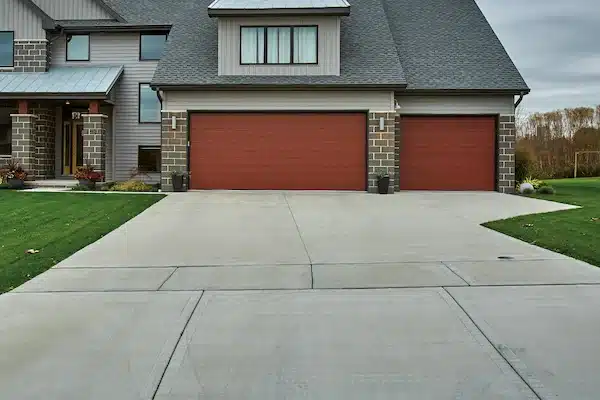
Asphalt Vs. Concrete Driveway: Making The Right Choice
Two popular options stand out when choosing a material for your driveway: asphalt and concrete. Discuss the key factors when deciding between an asphalt or concrete driveway.
Durability
Durability is a crucial aspect to consider. Asphalt driveways are known for their flexibility, which allows them to withstand temperature fluctuations better. Concrete driveways, on the other hand, are incredibly durable and can handle heavy loads without cracking or breaking.
Maintenance
Maintenance requirements differ for each material. Asphalt driveways may require regular seal coating every few years to protect against weathering and water damage. Although more resistant to stains and oil spills, concrete driveways may need periodic sealing to maintain their appearance and prevent cracking.
Aesthetics
Regarding the driveway, aesthetics play a significant role in the decision-making process. Concrete driveways offer a range of design possibilities, including stamped patterns and decorative finishes, allowing you to customize the look to match your home’s style. Asphalt driveways have a sleek and uniform appearance that complements various architectural designs. It’s one of the crucial facts about these driveways.
Cost
Cost is an essential consideration for many homeowners. Asphalt driveways are generally more affordable to install initially, making them a popular choice for budget-conscious individuals. While initially more expensive, concrete driveways tend to have a longer lifespan, which can provide cost savings in the long run.

Concrete Driveway Repair
Regular repair and maintenance are essential for maintaining the longevity of your concrete driveway. Here are the 5 most important points to consider regarding concrete driveway repair.
Early Detection Is Key
Spotting minor issues early on can prevent them from turning into major problems. Regularly inspect your driveway for signs of cracks, spalling, or unevenness. If you notice any issues, address them promptly to prevent further deterioration.
Crack Filling
Cracks in your concrete driveway can be unsightly and lead to more significant damage if left untreated. Fortunately, crack filling is a straightforward repair process. It involves cleaning out the crack and filling it with a specialized concrete filler to restore the structural integrity of the driveway.
Resurfacing
For driveways with extensive damage or widespread cracks, resurfacing may be necessary. This process involves applying a new layer of concrete or a concrete overlay on top of the existing surface. Resurfacing repairs the damage and gives your driveway a fresh, like-new appearance.
Proper Drainage
Improper drainage can contribute to driveway damage. Ensure your driveway has an adequate slope and proper drainage channels to divert water from the surface. This will help prevent water pooling, which can weaken the concrete over time.
Professional Repair Services
While homeowners can do minor repairs, seeking professional assistance for more extensive maintenance or resurfacing is advisable. Professional contractors have the expertise, tools, and materials to ensure a durable and long-lasting repair.
By addressing concrete driveway issues promptly and investing in regular maintenance, you can extend the lifespan of your driveway and protect your investment.

How To Remove Oil Stains From Concrete Driveway
Oil stains on a concrete driveway can be unsightly and stubborn to remove. Here are some simple steps to help you remove oil stains from your concrete driveway.
Act quickly
The sooner you address the oil stain, the easier it will be to remove. Cover the spill with absorbent materials like cat litter, sawdust, or baking soda when you notice the spill. These substances will help soak up the oil and prevent it from penetrating deeper into the concrete.
Scrub With Detergent
After the absorbent material has had time to work, sweep or vacuum it up, then mix a dishwashing detergent and warm water. Apply this mixture to the stained area and scrub it using a stiff brush or broom. Allow the detergent to penetrate the stain for at least 15 minutes before moving to the next step.
Use A Degreaser
You may need to use a commercial degreaser formulated explicitly for stubborn oil stains for concrete surfaces. Follow the instructions on the product and apply it to the stain. Allow it to sit for the recommended duration, typically around 30 minutes, and then scrub the area with a brush.
Rinse Thoroughly
Once you’ve scrubbed the stained area, rinse it thoroughly with a high-pressure hose or power washer. Make sure to remove all traces of the detergent or degreaser.
Repeat If Necessary
In some cases, particularly with older or deeper stains, you may need to repeat the cleaning process to altogether remove the oil. Be patient and persistent, and continue scrubbing and rinsing until the stain is no longer visible.
How Thick Should A Concrete Driveway Be
Generally, the recommended thickness for a concrete driveway is 4 to 6 inches. However, this can vary depending on several factors, including the soil composition, expected load-bearing capacity, and the climate in your area. A 4-inch thick concrete driveway may be sufficient for regular passenger vehicles.
On the other hand, if you anticipate heavier vehicles such as trucks or RVs using your driveway frequently, it is advisable to opt for a thicker concrete layer of 5 or 6 inches to ensure long-term durability.
A thicker driveway is recommended in regions with extreme weather conditions, such as areas prone to freezing and thawing cycles. The additional thickness helps to prevent cracking caused by the expansion and contraction of the soil during temperature fluctuations.
How Much Weight Can A 6-inch Concrete Driveway Hold
On average, a 6-inch concrete driveway can safely hold a weight of about 4,000 to 5,000 pounds per square foot. It can easily accommodate the importance of regular passenger cars, SUVs, and even light trucks. It can handle the weight of multiple vehicles as well.
However, it’s important to note that the actual weight capacity of a concrete driveway may vary depending on factors such as the quality of the concrete mix, soil conditions, and reinforcement.
If you anticipate heavier loads, such as RVs, trailers, or construction equipment, it’s advisable to consult with a professional engineer. He will help you to ensure the driveway is designed and constructed to withstand the specific weight requirements.
A 6-inch concrete driveway is designed to support the weight of typical residential vehicles. It offers a sturdy and reliable surface that can withstand regular use. If you have any concerns about the weight capacity of your driveway, it’s best to seek expert advice to ensure that it meets your specific needs.
Should I Seal My Concrete Driveway?
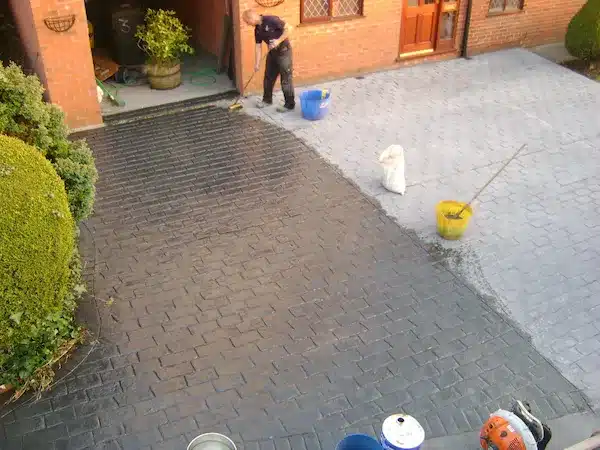
Sealing a concrete driveway every 2-3 years is highly recommended to protect and extend its lifespan. Sealing prevents surface cracks, fills minor holes, limits salt and chemical damage, and makes the driveway easier to clean. So, you should seal your concrete driveway.
Firstly, sealing your concrete driveway helps protect it from the elements. Concrete is porous, meaning it can absorb water, oil, and other substances. When water seeps into the concrete, it can freeze and expand during colder months, leading to cracks and damage.
Secondly, sealing enhances the appearance of your concrete driveway. Over time, concrete can fade and become discolored due to exposure to sunlight and other environmental factors.
By applying a sealer, you can revive the color of your driveway and give it a fresh, vibrant look. Sealing also adds a glossy finish, making your driveway aesthetically pleasing.
The Pros of Sealing Concrete Driveway
Sealing a concrete driveway is a topic that often sparks debate among homeowners. To shed light on the matter, let’s explore the pros and cons of sealing a concrete driveway.
Protection
Sealing creates a protective barrier that shields the concrete from various elements like UV rays, water, and chemicals. This helps prevent cracks, fading, and stains, prolonging the driveway’s lifespan.
Enhanced Appearance
A sealed concrete driveway boasts an appealing glossy finish, enhancing its aesthetic appeal. It can also darken the color of the concrete, providing a fresh and revitalized look.
Ease Of Maintenance
Sealed driveways are easier to clean as the surface becomes less porous, preventing dirt and grime from penetrating deeply. Regular maintenance involves simple sweeping and occasional pressure washing.
The Cons of Sealing Concrete Driveways
Sealing a concrete driveway involves an additional cost, including the price of the sealant and the labor if hiring professionals. However, it’s essential to consider this as an investment in the long-term durability of the driveway.
Slippery Surface
Some sealants can make the surface slightly slippery, especially when wet. This can pose a safety concern, particularly in areas prone to heavy rain or snowfall. However, anti-slip additives can be incorporated to mitigate this issue.
Time And Effort
Applying a sealant requires proper surface preparation, including cleaning and drying the driveway. It can be time-consuming, and multiple coats may be necessary for optimal results.
Sealing a concrete driveway offers notable advantages such as protection, improved appearance, and easier maintenance. However, weighing these benefits against the potential drawbacks, including the associated cost, slipperiness, and the time and effort involved, is essential.
How Often Should I Seal My Concrete Driveway
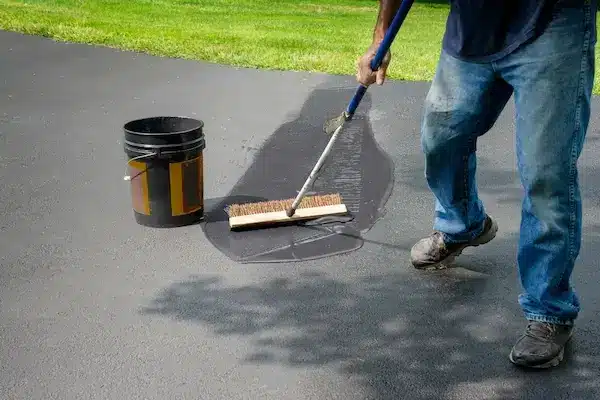
Generally, a concrete driveway should be sealed every two to three years. This timeframe can vary depending on climate, usage, and the type of sealer applied. You may need to seal your driveway more frequently if the driveway is in an area with extreme weather conditions.
Harsh weather can cause moisture penetration, leading to cracks, spalling, and other forms of damage. Therefore, an annual or biennial sealing schedule might suit such regions.
The amount of traffic your driveway receives is another factor to consider. If you have a busy household with multiple vehicles constantly driving on the driveway, it may be wise to seal it more often to maintain its durability and appearance.
The type of sealer you choose also affects the sealing frequency. Different types of sealers are available, including acrylic-based, epoxy-based, and penetrating sealers. Each sealer has its lifespan and durability.
Following the manufacturer’s recommendations and consulting a professional to determine the ideal sealing schedule for your specific sealer type is essential.
How Long Does A Concrete Driveway Last
Concrete is known for its durability, making it a popular driveway choice. On average, a well-maintained concrete driveway can last 25 to 50 years. The longevity of a concrete driveway depends on various factors. Hiring a reputable contractor who follows proper construction practices is essential.
While concrete is highly durable, it can still develop cracks over time due to freeze-thaw cycles and heavy vehicle traffic. However, if cracks do appear, they can be repaired relatively easily with the help of a professional.
Investing in quality installation and regular upkeep ensures that your concrete driveway remains functional and aesthetically pleasing for many years.
Crucial Facts About Concrete Driveway: Final Words
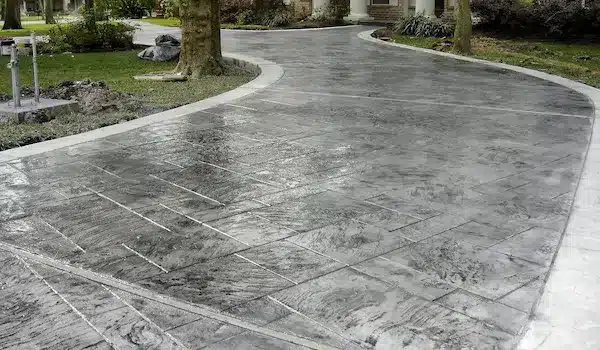
A concrete driveway is a durable and versatile option for homeowners, offering low maintenance requirements and customization possibilities. Concrete driveways can last between 25 to 50 years when properly installed and maintained.
Hiring a reliable contractor and ensuring a solid foundation is crucial for maximizing their lifespan. Homeowners can choose from various design options, including colors, finishes, and patterns to match their preferences.


