
Paving a driveway is a significant home improvement task that requires careful planning. The timing of this project is crucial as it affects the quality and longevity of the pavement. Many homeowners ponder the ideal season for driveway paving, aiming for optimal results.
The best time to pave a driveway is during warmer seasons, particularly late spring to early fall. During this period, temperatures are consistently above 50°F, ensuring proper asphalt curing and setting. Paving under these conditions provides a smoother, more durable driveway surface, enhancing its lifespan and performance.
This article will delve deeper into the factors influencing driveway paving, including temperature, weather conditions, and material choice.
KEY Takeaways
- Best Season: Late spring to early fall offers ideal temperatures for paving.
- Temperature Importance: Consistent warmth above 50°F is crucial for proper asphalt curing.
- Avoid Extreme Weather: Rain, extreme temperatures, and high humidity can negatively impact paving.
Factors to Consider When Paving a Driveway

Several factors must be considered when paving a driveway to ensure a successful and long-lasting project. Here’s what you should think.
Temperature Requirements for Different Types of Paving Materials
Different types of paving materials have additional temperature requirements for proper installation. For example, asphalt paving typically requires temperatures between 50 and 85 degrees Fahrenheit for optimal compaction and binding.
If the temperature is too low, the asphalt may not bind properly, leading to cracks and other issues. On the other hand, if the temperature is too high, the asphalt may become too soft, making it challenging to work with and resulting in a weaker finished product.
Conversely, concrete can be poured at a broader range of temperatures, typically between 40 and 90 degrees Fahrenheit. However, extreme temperatures on either end of this range can impact the concrete’s curing process and final strength. Therefore, it’s essential to consult with a professional paving contractor to determine the best temperature range for your material.
Impact of Weather Conditions on the Curing Process
Weather conditions can also impact the curing process of the paving material. For example, if it’s too humid or raining during the curing process, it can slow down the process and potentially weaken the finished product.
On the other hand, if it’s too hot and dry, the paving material can dry out too quickly and crack. Therefore, it’s essential to consider the weather conditions during and after the paving process to ensure the best possible outcome.
Availability of Contractors and Equipment
The availability of contractors and equipment can also impact the timing of your driveway paving project. During peak paving season, contractors and equipment may be in high demand, leading to longer lead times and higher prices.
If you’re planning to pave your driveway during a busy construction season, you may need to plan your project around other construction projects in the area to avoid delays.
Impact of Seasonal Changes on the Driveway
It’s essential to consider the impact of seasonal changes on your driveway. Depending on the climate in your area, the changing seasons can lead to fluctuations in temperature, moisture, and other environmental factors that can impact the longevity and durability of your driveway.
Therefore, selecting a paving material and installation method that can withstand the seasonal changes in your area and scheduling regular maintenance to keep your driveway in top condition is essential.
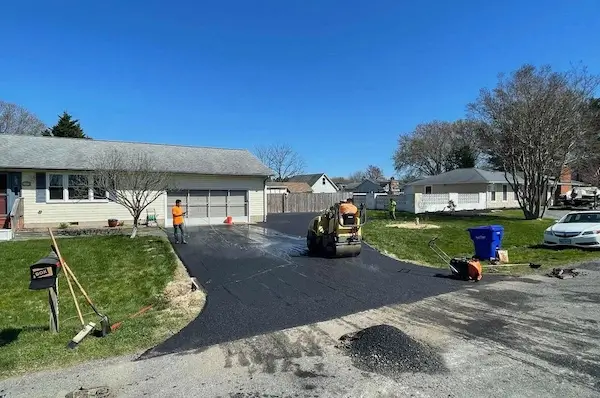
When Is the Best Time to Pave a Driveway?
Determining the ideal time to pave a driveway is essential for durability and success, with various key factors influencing the outcome and quality of the surface.
Spring: Benefits and drawbacks
Spring is a popular time for driveway paving projects, especially in areas with harsh winters. The benefits of paving a driveway in the spring include mild temperatures, moderate humidity, and lower demand for paving contractors and equipment.
Additionally, paving your driveway in the spring can help ensure it’s ready for the increased traffic of the summer months.
However, one of the drawbacks of paving in the spring is that it can be a rainy season in some areas, which can impact the curing process and lead to weaker finished products.
Besides, the ground can still be soft from winter thaws, making achieving a level surface for the driveway more challenging.
Summer: Benefits and drawbacks
Summer is another popular time for driveway paving, as temperatures are warm, and there is typically less rain. This can help ensure a strong, durable finished product. Summer is a great time to take advantage of the extended daylight hours and good weather for completing other outdoor projects.
However, one of the drawbacks of paving in the summer is that it can be hot and humid in some areas, which can impact the drying and curing process of the paving material. This can lead to cracks or other issues if the surface dries too quickly.
Fall: Benefits and drawbacks
Fall can also be a good time to pave a driveway, especially in areas with mild temperatures and low rainfall. The benefits of paving in the fall include lower demand for contractors and equipment and cooler temperatures, making the installation more comfortable.
However, one of the drawbacks of paving in the fall is that temperatures can fluctuate, impacting the curing process of the paving material. Additionally, falling leaves and other debris can make it challenging to achieve a clean surface for the driveway.
Winter: Benefits and drawbacks
Winter is generally not recommended for driveway paving due to the cold temperatures, making it difficult to properly install and compact the paving material. Additionally, snow and ice can make it difficult to access the work site and can impact the curing process.
However, some contractors may offer paving services during the winter months in areas with milder climates. One of the benefits of winter paving is that it can be less expensive due to lower demand for services.
However, consulting with a professional paving contractor is essential to determine whether winter paving is viable in your area.
Preparation for Paving a Driveway
Before paving a driveway, proper preparation is essential. This process involves several crucial steps to ensure a stable foundation, leading to a durable and long-lasting driveway.
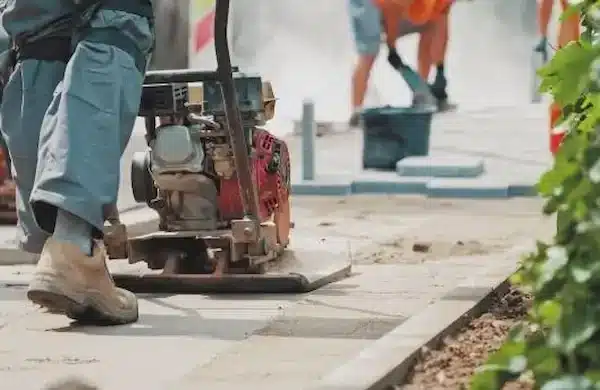
Clearing debris and vegetation
Before any paving work can begin, it’s essential to clear the area of any debris and vegetation. This includes removing large rocks, sticks, or other objects that could interfere with paving.
Additionally, any vegetation, such as weeds or grass, should be removed or treated with an herbicide to prevent it from growing through the new pavement.
Excavation and grading
Once the area is clear, excavation and grading can begin. This process involves removing the top layer of soil and grading the area to create a level surface for the new driveway.
Depending on the slope of the land, drainage considerations may need to be considered during this process to ensure proper water runoff.
Planning and design considerations
During the preparation phase, it’s essential to consider the overall design and functionality of the driveway. This includes determining the desired width and length of the driveway and any special features, such as a curved or circular design.
Considerations should be made for the type of paving material used and any additional features, such as a border or decorative elements.
Other planning considerations may include obtaining any necessary permits or approvals from local authorities, selecting a reputable paving contractor, and determining a timeline and budget for the project.

Frequently Asked Questions
1. What time of year is best to pave?
The ideal time to pave is late spring through early fall. During these warmer months, temperatures are consistently above 50°F, which is crucial for proper asphalt curing. This ensures a stronger bond and a smoother surface. Paving in this window provides the best conditions for durability and longevity.
2. What is the best season to repave a driveway?
Summer and early fall are the best seasons to repave a driveway. The warmer temperatures during these months ensure the asphalt mixture sets and cures properly. This results in a more robust and more durable driveway surface. Repaving in more excellent conditions could lead to complications.
3. What is the impact of weather conditions on the paving process?
Weather conditions can impact the paving process by affecting the temperature and humidity during installation and curing. Rain, extreme heat or cold, and high humidity can all impact the quality of the finished product. Additionally, windy conditions can expedite the drying process.
Conclusion
Selecting the best time to pave a driveway is critical in ensuring a durable and long-lasting finished product. Factors such as temperature requirements for different types of paving materials, weather conditions, contractor availability, and seasonal changes all play a role in determining the ideal time for your driveway paving project.


