Nostoc, a type of blue-green algae, can create slippery and unsightly patches on gravel driveways. This organism thrives in damp conditions and can be pretty stubborn to remove. Many homeowners are at a loss when dealing with this slippery menace, as it’s not just about aesthetics but also a safety concern.
To get rid of Nostoc on a gravel driveway, dry out the area thoroughly and physically remove the algae. Using a rake to disturb the Nostoc and expose it to air can speed up drying.
In the upcoming sections, we will guide you through a comprehensive plan to eliminate Nostoc from your gravel driveway.
KEY Takeaways
- Dry Out the Area: Ensure the affected part of the driveway is completely dry to hinder the growth of Nostoc.
- Physically Remove the Algae: Use a rake or similar tool to disturb and remove the Nostoc from the gravel.
- Apply Baking Soda Solution: A mixture of water and baking soda can help to kill off any remaining algae, leaving your driveway Nostoc-free.
What is Nostoc and Why is It a Problem for Gravel Driveways?

Nostoc is a type of blue-green algae commonly found in damp, shady areas such as lawns, gardens, and gravel driveways. It is a slimy, green, or black mat that can quickly spread and cover large areas.
The main issue with nostoc is that it can make the driveway’s surface incredibly slippery, making it difficult and even dangerous to walk or drive on.
This can be especially problematic during wet weather when the algae is slipperiest. Additionally, as the nostoc grows, it can infiltrate and damage the gravel, leading to unsightly stains and a deteriorating driveway surface.
While nostoc may seem harmless and innocuous, it can quickly become a significant problem for gravel driveways if left unchecked. Hence, taking steps to control and eliminate these algae is essential to keep your driveway safe and looking its best.
How Do I Know If My Gravel Driveway Has Nostoc Growth?
Identifying Nostoc growth on a gravel driveway is relatively easy. Here are some specific signs that your gravel driveway may have Nostoc growth:
- The driveway surface appears slimy or slippery, even when it’s dry.
- There are green or black mats covering the surface of the gravel.
- The carpets are dirty to the touch and can be easily peeled off.
- The rugs are present in damp or shady areas of the driveway.
- The mats have a distinctive, jelly-like texture.
If you notice these signs, your gravel driveway likely has Nostoc growth. It’s essential to eliminate this growth to prevent it from becoming a safety hazard and damaging the surface of your driveway.
How To Get Rid Of Nostoc On Gravel Driveway
This section will discuss how to get rid of nostoc on gravel driveways.
Identifying Nostoc
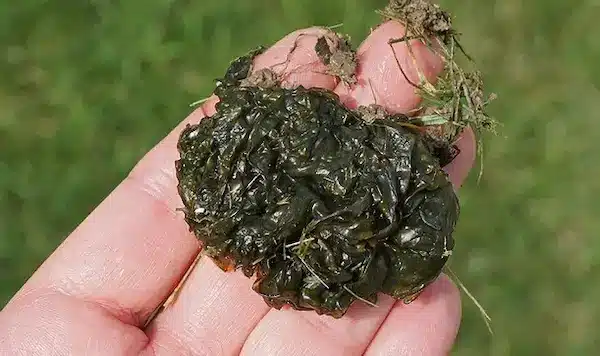
Nostoc is a slimy, green, or black mat covering a gravel driveway’s surface. It has a distinctive jelly-like texture and can easily be peeled off. To identify Nostoc growth on your driveway, look for damp or shady areas where the mat is present. The driveway’s surface may also appear slippery or slimy, even when dry.
Preparing The Area
Before removing Nostoc from your gravel driveway, you must gather the necessary tools and supplies. This includes a pressure washer, a garden hose, a stiff-bristled brush, and safety gear such as gloves and eye protection. In addition, you should keep safety precautions in mind, such as wearing protective clothing and avoiding inhaling chemicals or dust.
Manual Removal

One effective method for removing Nostoc from a gravel driveway is manual removal. This involves using a stiff-bristled brush to scrape away the algae and then washing the surface with a pressure washer or garden hose.
It may take several attempts to remove the Nostoc entirely. Recommended tools for manual removal include a hand-held scraper, a stiff-bristled brush, and a pressure washer.
Chemical Treatment
Another option for Nostoc removal is chemical treatment. Make sure you use chemicals that are safe to use on gravel driveways and follow proper application methods and safety precautions.
This may include wearing protective clothing, avoiding inhaling chemicals, and applying the product according to the manufacturer’s instructions.
Also, select the right product for Nostoc removal, considering the severity of the growth and any environmental considerations.
Preventing Future Nostoc Growth

You should follow best practices to prevent Nostoc growth on your gravel driveway. For instance, you regularly monitor and maintain the driveway, minimizing the impact of natural elements such as water and moisture and removing any debris or organic matter that may promote Nostoc growth.
Additionally, eco-friendly methods for Nostoc removal can help reduce the environmental impact.
Environmental Considerations
When using chemicals for Nostoc removal, consider the impact on the environment. Some chemicals may harm plants and animals and contaminate nearby water sources.
Using eco-friendly Nostoc removal methods, such as manual removal or natural or organic products, can help minimize the environmental impact.
FAQs About How To Get Rid Of Nostoc On Gravel Driveway
Can I manually remove Nostoc from my gravel driveway?
Nostoc, a cyanobacteria that forms gelatinous colonies, can be manually removed from a gravel driveway. Use a stiff bristle broom or rake to agitate the Nostoc and break up the colonies lightly. Then, use a flat shovel or scoop to lift and remove.
What chemicals are safe to use for Nostoc removal on gravel driveways?
When removing Nostoc from gravel driveways, it’s best to use chemicals formulated explicitly for algae and moss control on hard surfaces. Look for products with active ingredients like benzalkonium chloride, polyquaternium, sodium carbonate peroxy hydrate, or ammonium soaps of fatty acids, which can effectively control Nostoc on gravel.
How can I prevent Nostoc from growing back on my gravel driveway after removal?
Correct any excessive moisture conditions that allowed it to grow initially to prevent Nostoc from recurring after removal. Improve drainage and slope gravel away from buildings. Reduce watering and allow the driveway to dry out completely between waterings. Apply a driveway sealer containing a fungicide/algaecide.
Final Thought
With these effective methods for eliminating Nostoc growth on your gravel driveway, you can say goodbye to that slippery, unsightly mess and hello to a beautiful, safe, and functional driveway. By identifying Nostoc, preparing the area, and using either manual or chemical removal methods, you can get your driveway back to its former glory.